Vacuum Pump (Diesel)
- Turn key off, disconnect vacuum line and connect a vacuum gauge with a "T" fitting to lower part of dash mounted plastic check valve. See Fig 1. Start engine and allow to run at idle until vacuum reaches 17-21 in. Hg.
- Turn ignition off and observe vacuum gauge for one minute. If vacuum drops more than 1 in. Hg, replace power brake booster check valve. If vacuum does not drop more than 1 in. Hg, go to next step.
- Reconnect vacuum gauge in same point as in step 1, but leave rest of system connected. Start engine and allow engine to run at idle until vacuum reaches 17-21 in. Hg. Turn ignition off and observe vacuum gauge for one minute.
- If vacuum drops more than one in. Hg, disconnect each component one at a time and repeat test procedures in step 3 until leaking component is found. Plug disconnected vacuum line while performing test procedures. Repair or replace defective component as required. On diesel engine with dash mounted power brake booster, replace power brake booster check valve also. If vacuum does not drop more than one in. Hg, go to next step.
- Start engine and run engine until vacuum reaches 17-21 in. Hg. Turn ignition off and push down on brake pedal for a few seconds and release. If vacuum pressure drops to zero in. Hg, replace power brake booster. If vacuum pressure does not drop to zero in. Hg, system is okay. Remove vacuum gauge and reconnect all vacuum lines.
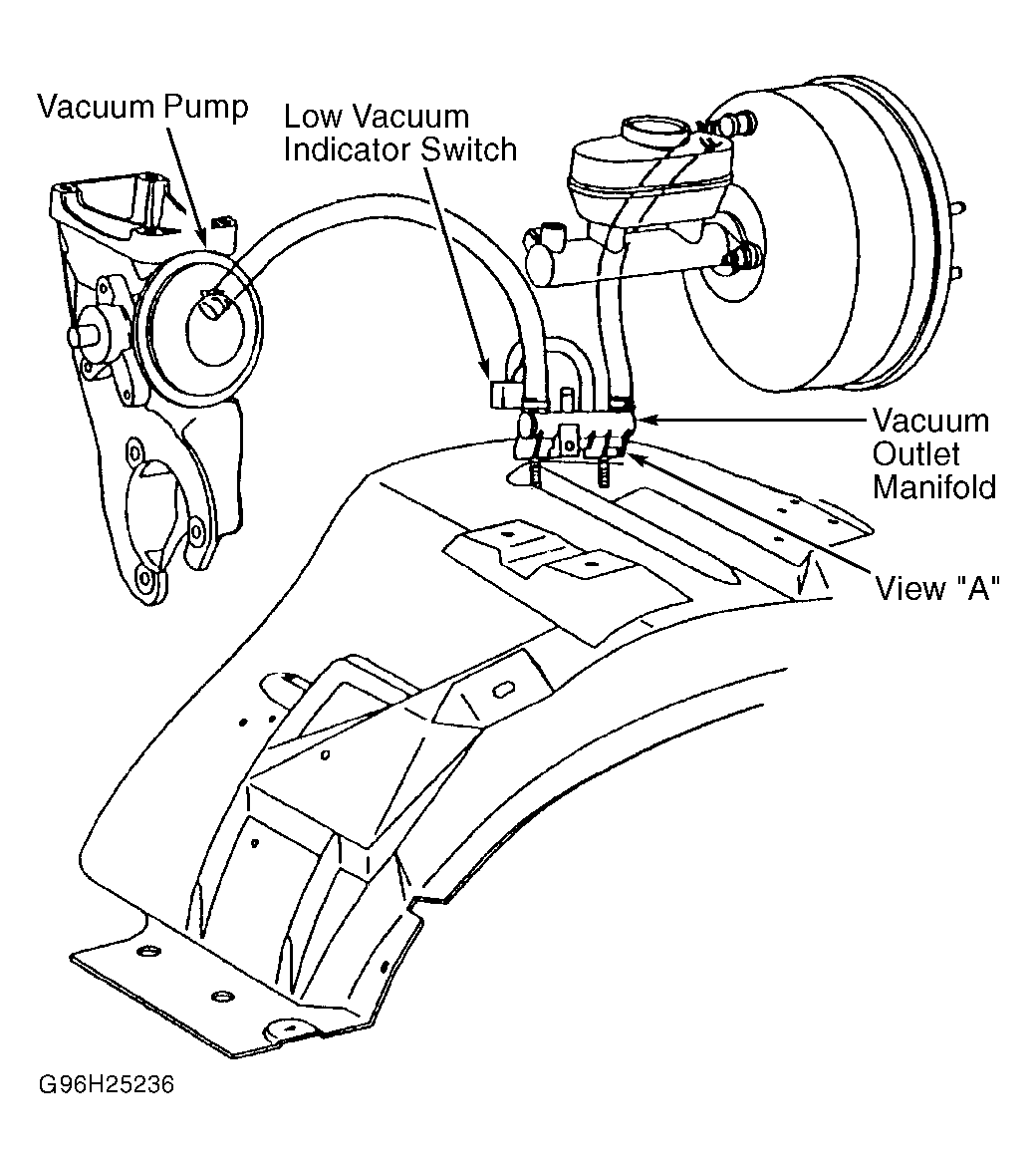 Courtesy of FORD MOTOR CO.