ENGAGEMENT CONCERN: NO FORWARD ONLY
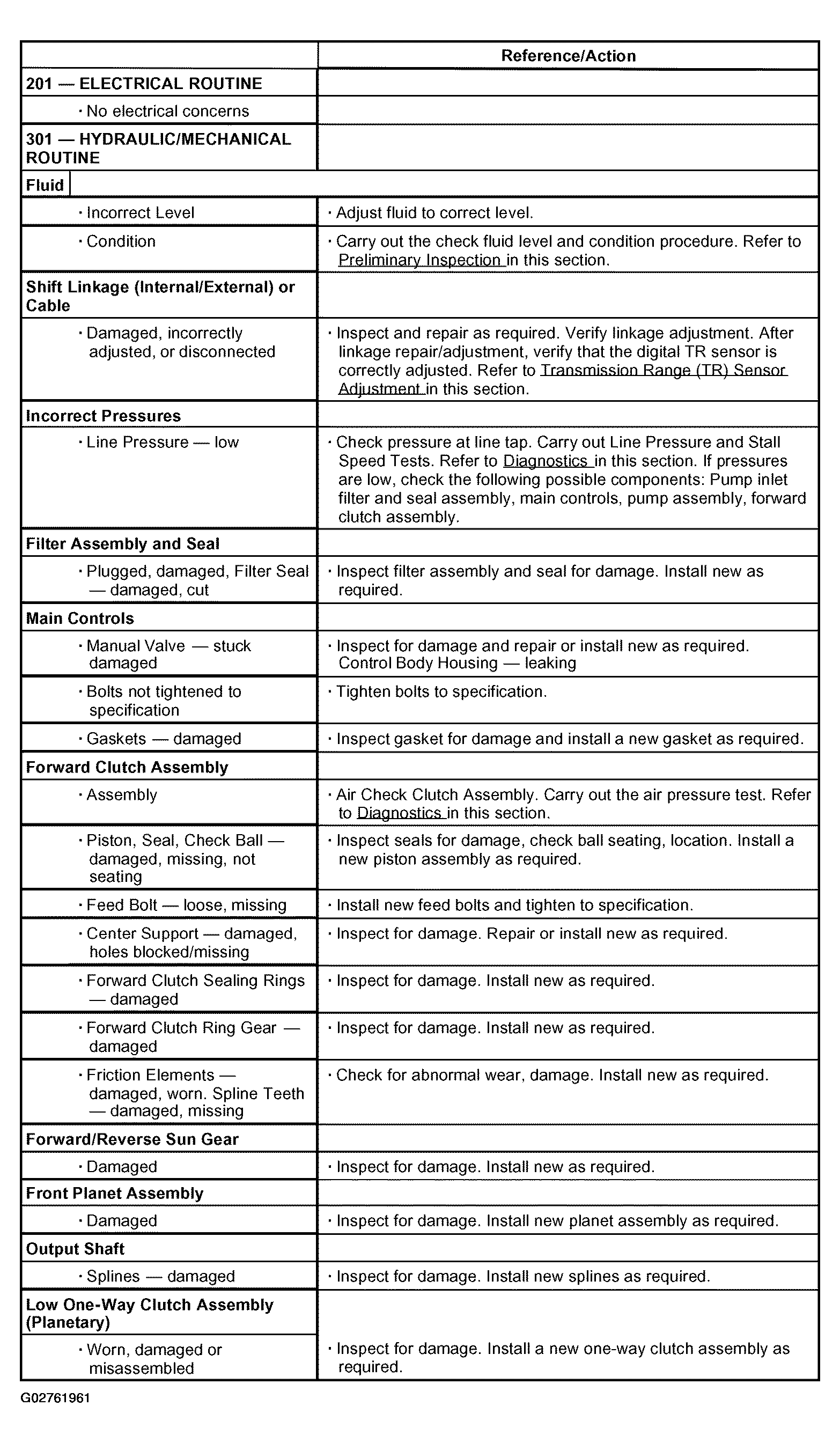 Courtesy of FORD MOTOR CO.
ENGAGEMENT CONCERN: NO REVERSE ONLY
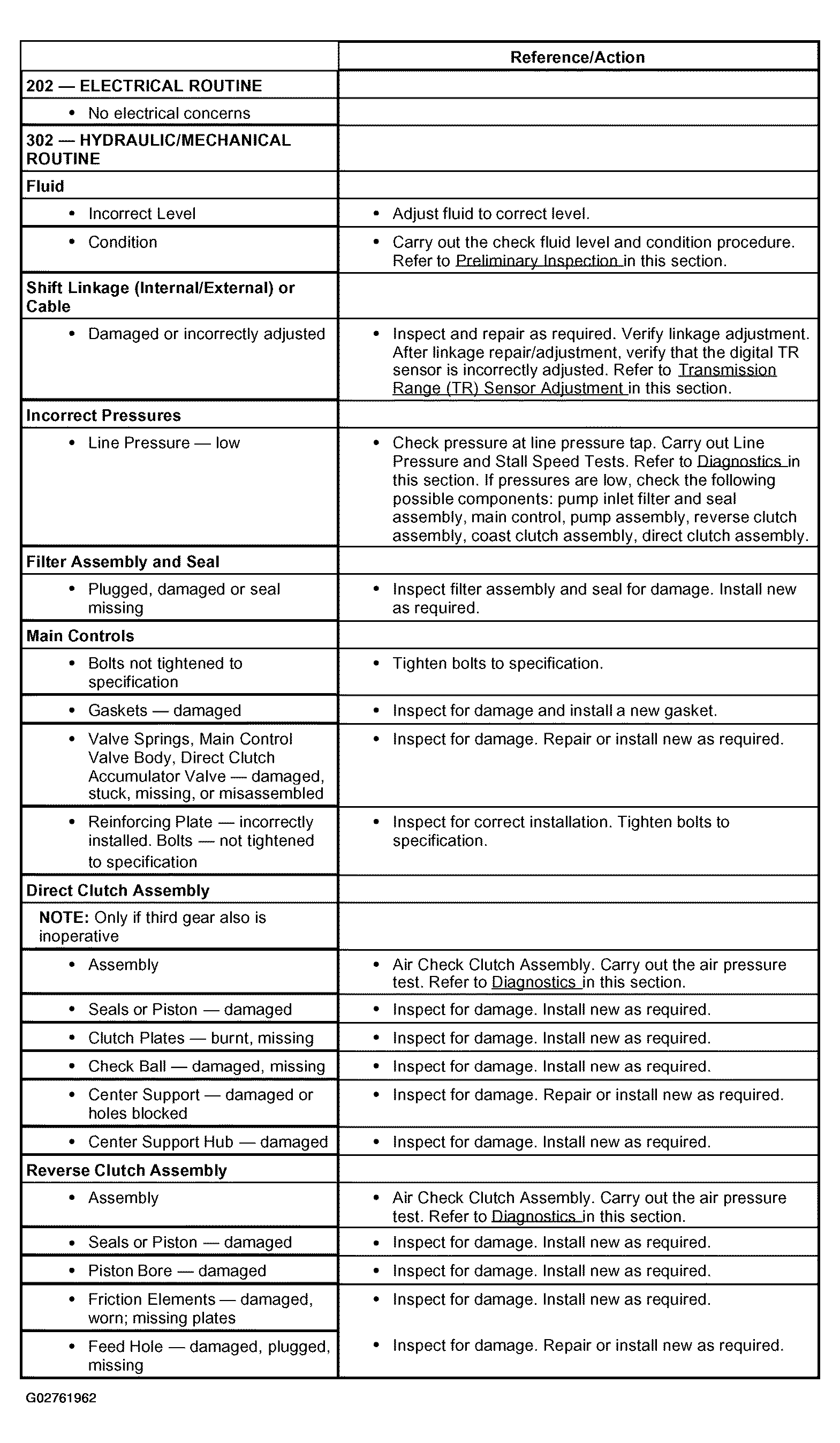 Courtesy of FORD MOTOR CO.
ENGAGEMENT CONCERN: HARSH REVERSE ONLY
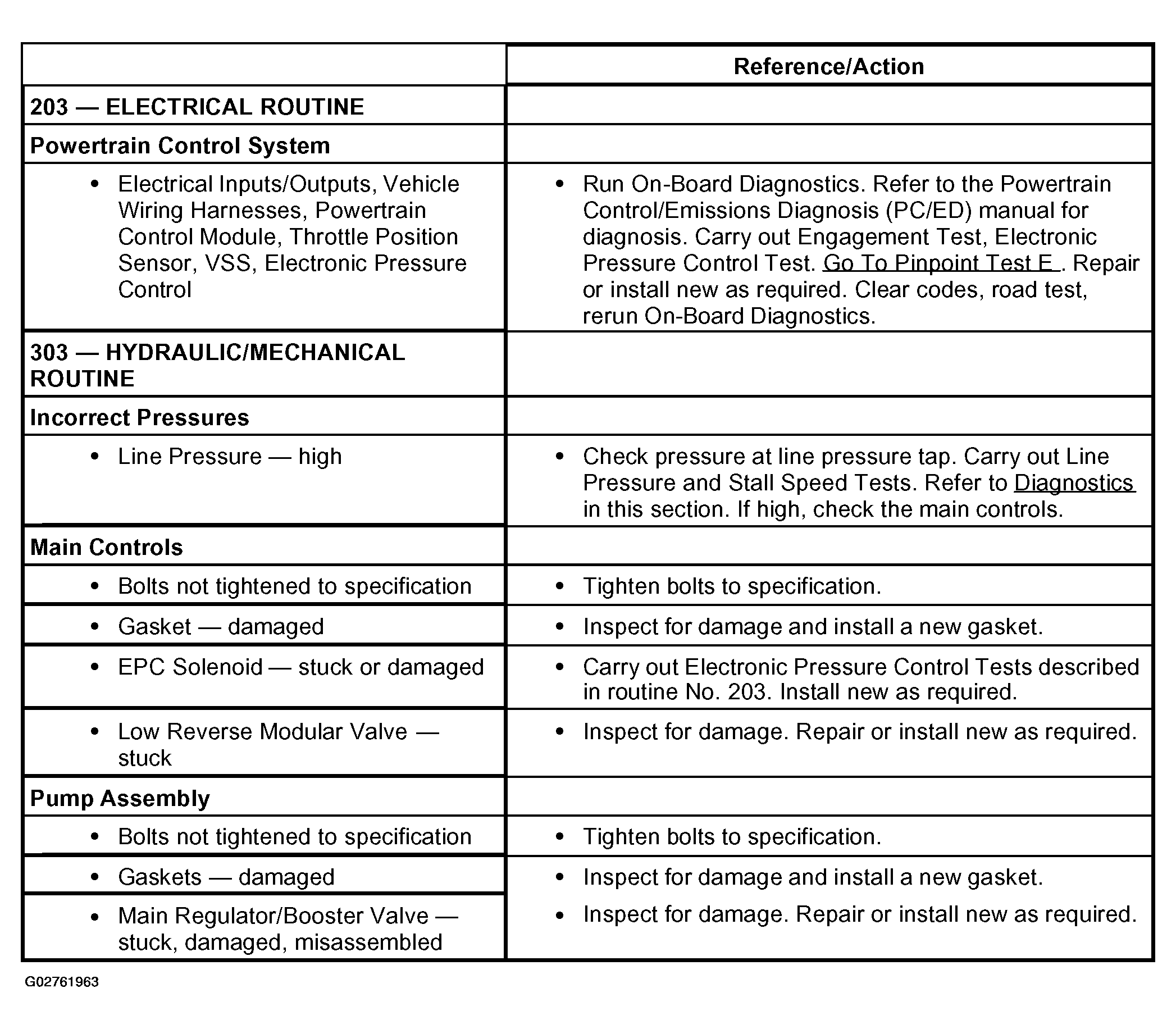 Courtesy of FORD MOTOR CO.
ENGAGEMENT CONCERN: HARSH FORWARD ONLY
NOTE:
This vehicle has adaptive shift strategies. Whenever the battery has been disconnected and reconnected, some abnormal drive symptoms will occur while the vehicle relearns its adaptive strategy. The customer needs to be notified that they may experience slightly different upshifts (either soft or firm) and that this is a temporary condition that will eventually return to normal operating condition.
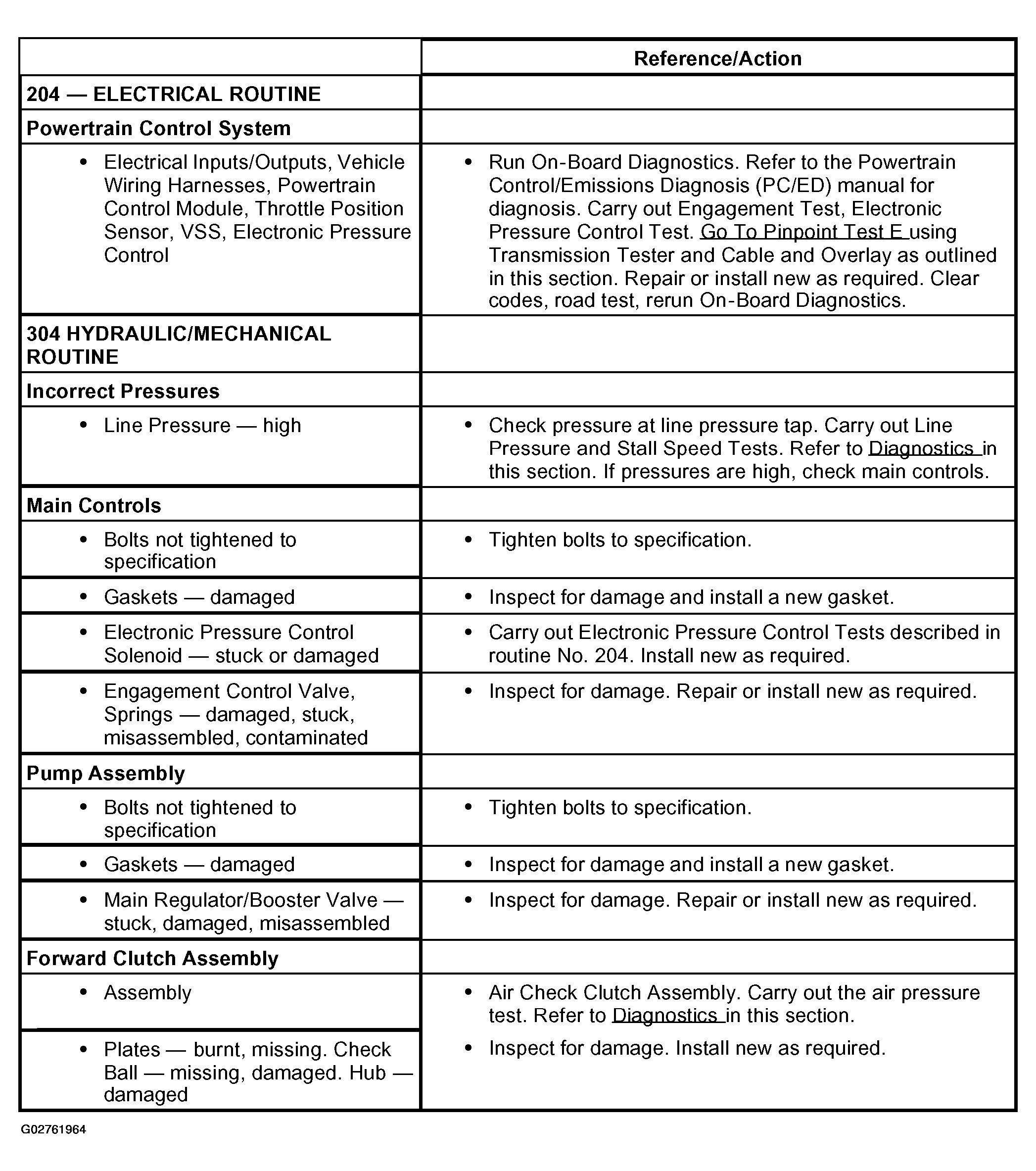 Courtesy of FORD MOTOR CO.
ENGAGEMENT CONCERN: DELAYED/SOFT REVERSE ONLY
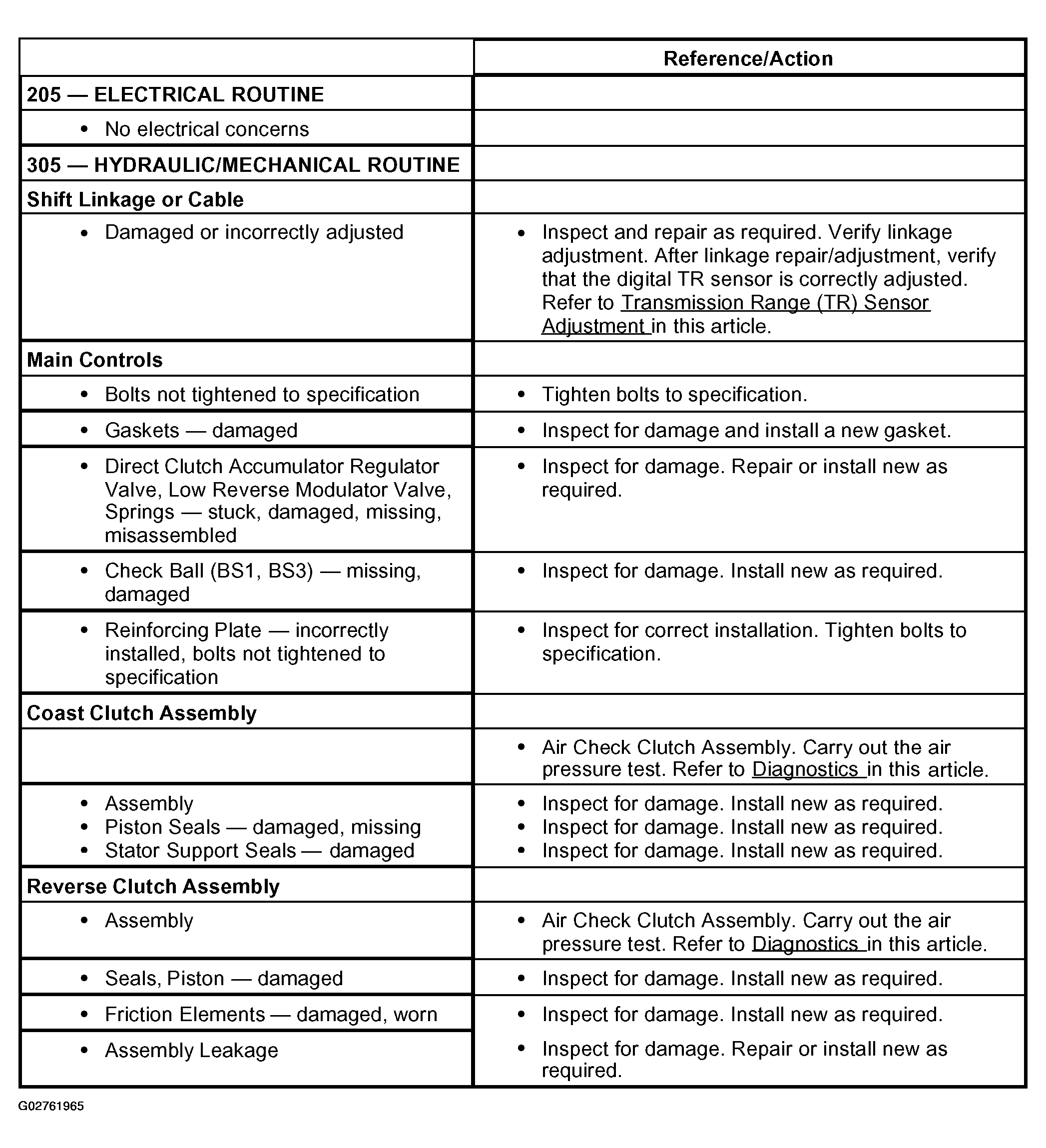 Courtesy of FORD MOTOR CO.
ENGAGEMENT CONCERN: DELAYED/SOFT FORWARD ONLY
NOTE:
This vehicle has adaptive shift strategies. Whenever the battery has been disconnected and reconnected, some abnormal drive symptoms will occur while the vehicle relearns its adaptive strategy. The customer needs to be notified that they may experience slightly different upshifts (either soft or firm) and that this is a temporary condition that will eventually return to normal operating condition.
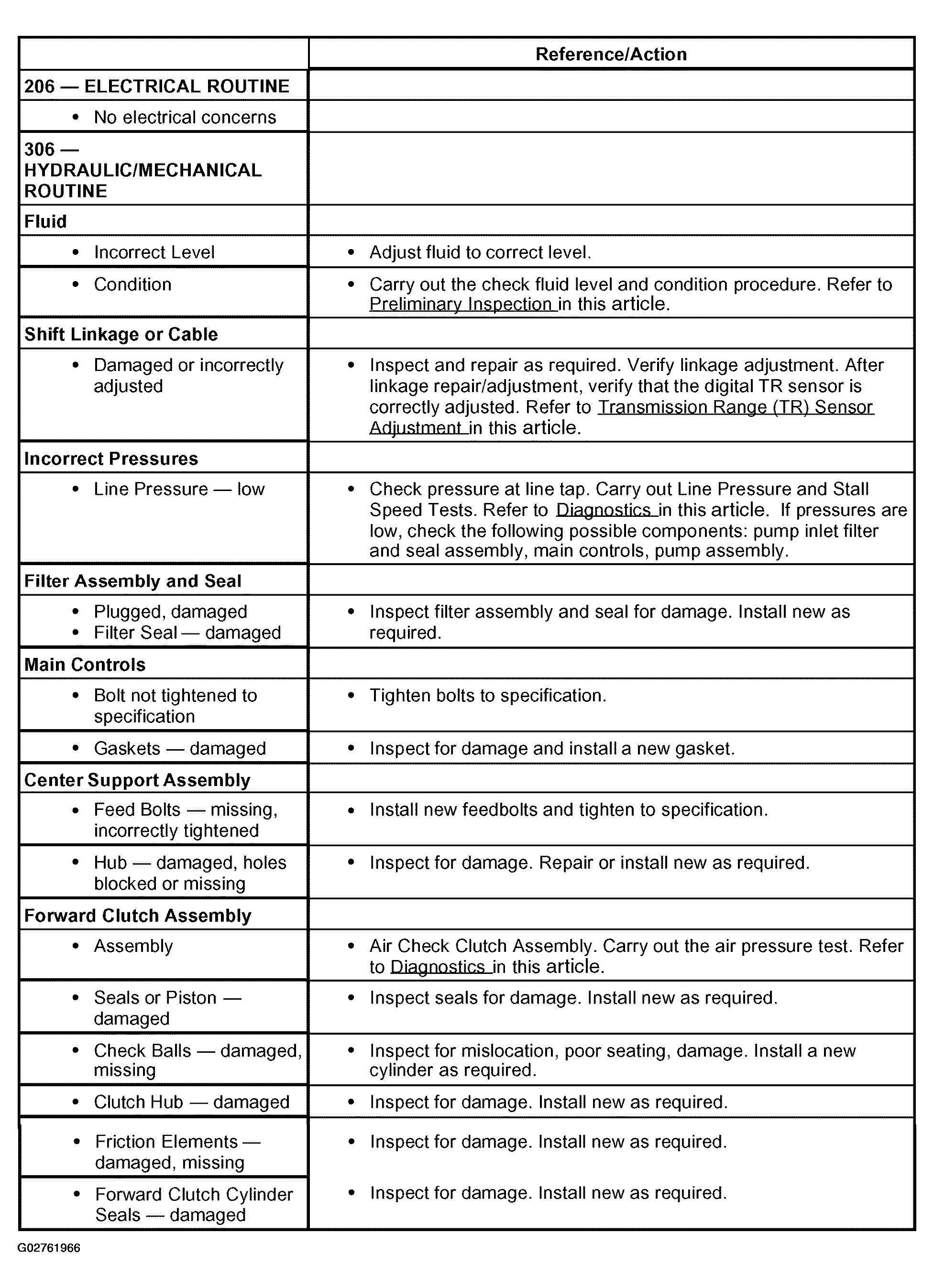 Courtesy of FORD MOTOR CO.
ENGAGEMENT CONCERN: NO FORWARD AND NO REVERSE ONLY
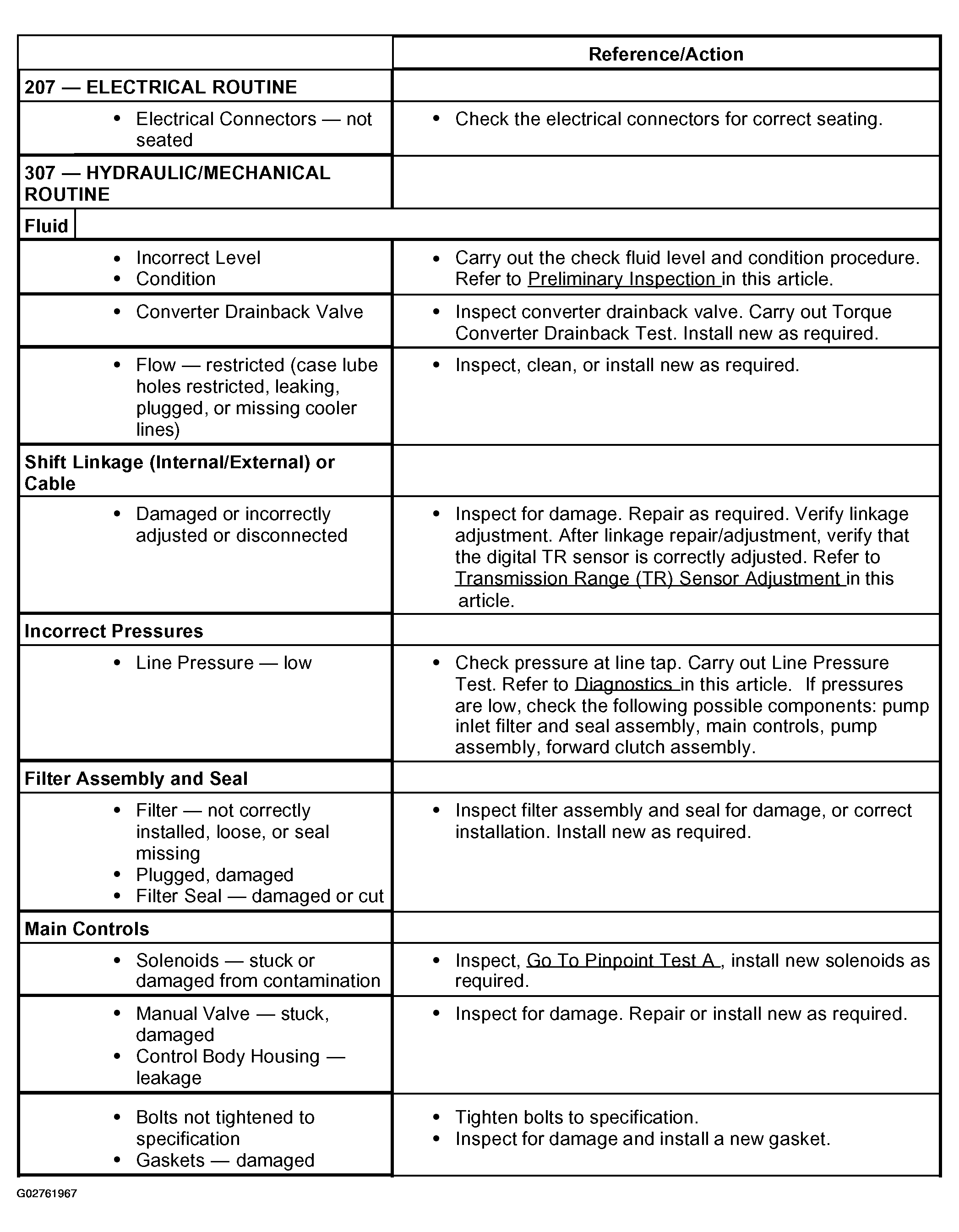 Courtesy of FORD MOTOR CO.
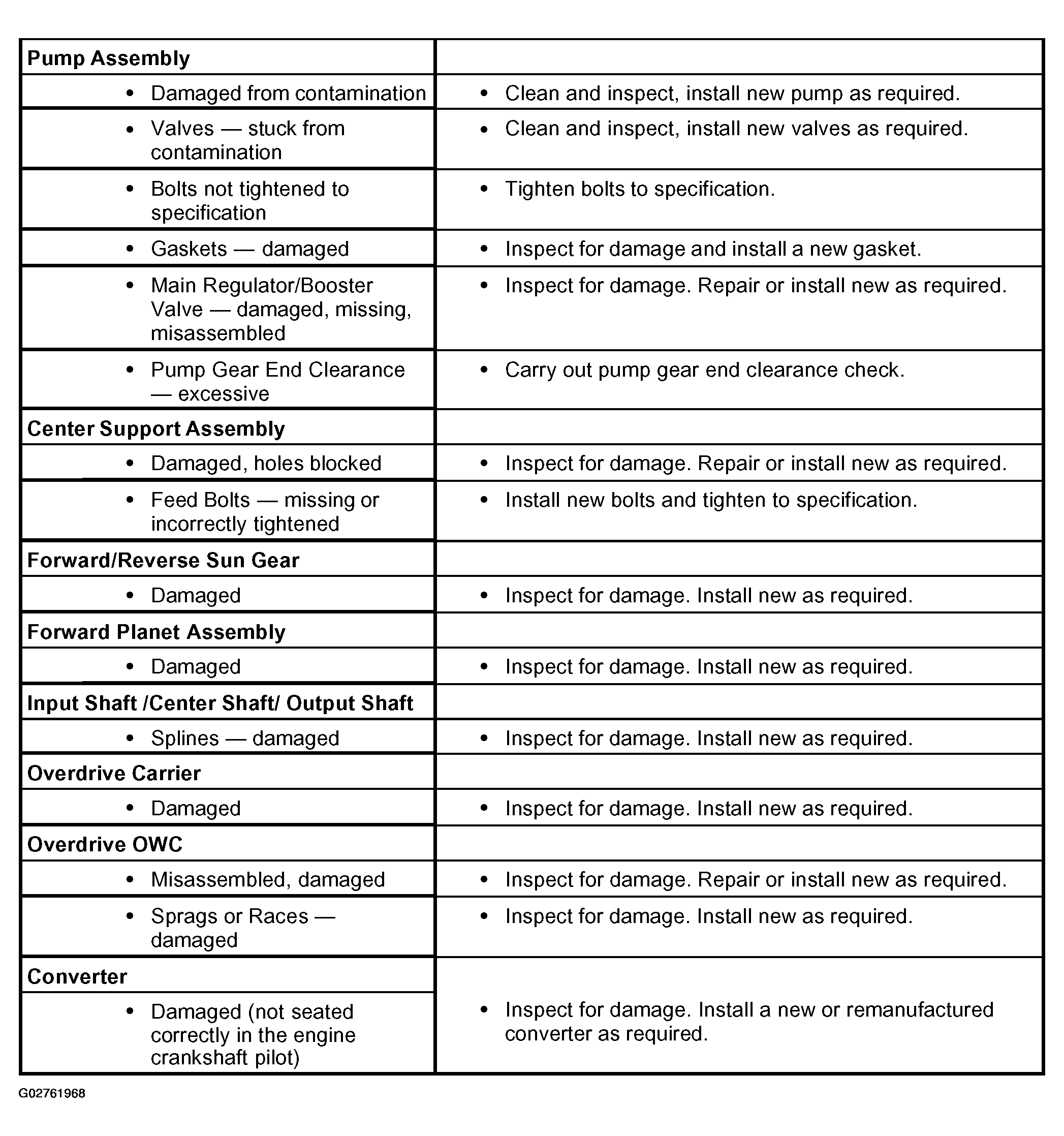 Courtesy of FORD MOTOR CO.
ENGAGEMENT CONCERN: HARSH FORWARD AND REVERSE
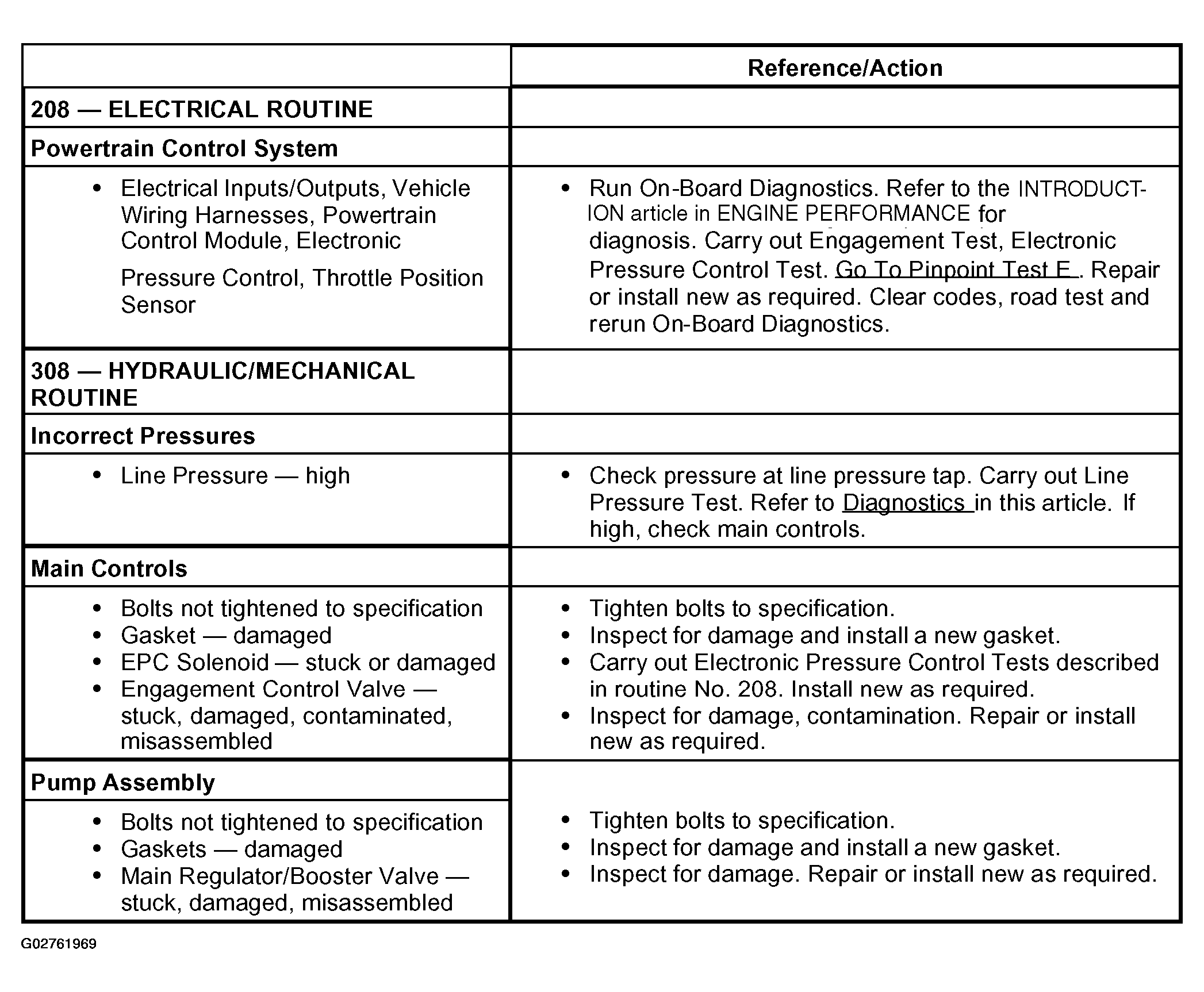 Courtesy of FORD MOTOR CO.
ENGAGEMENT CONCERN: DELAYED/SOFT FORWARD AND REVERSE
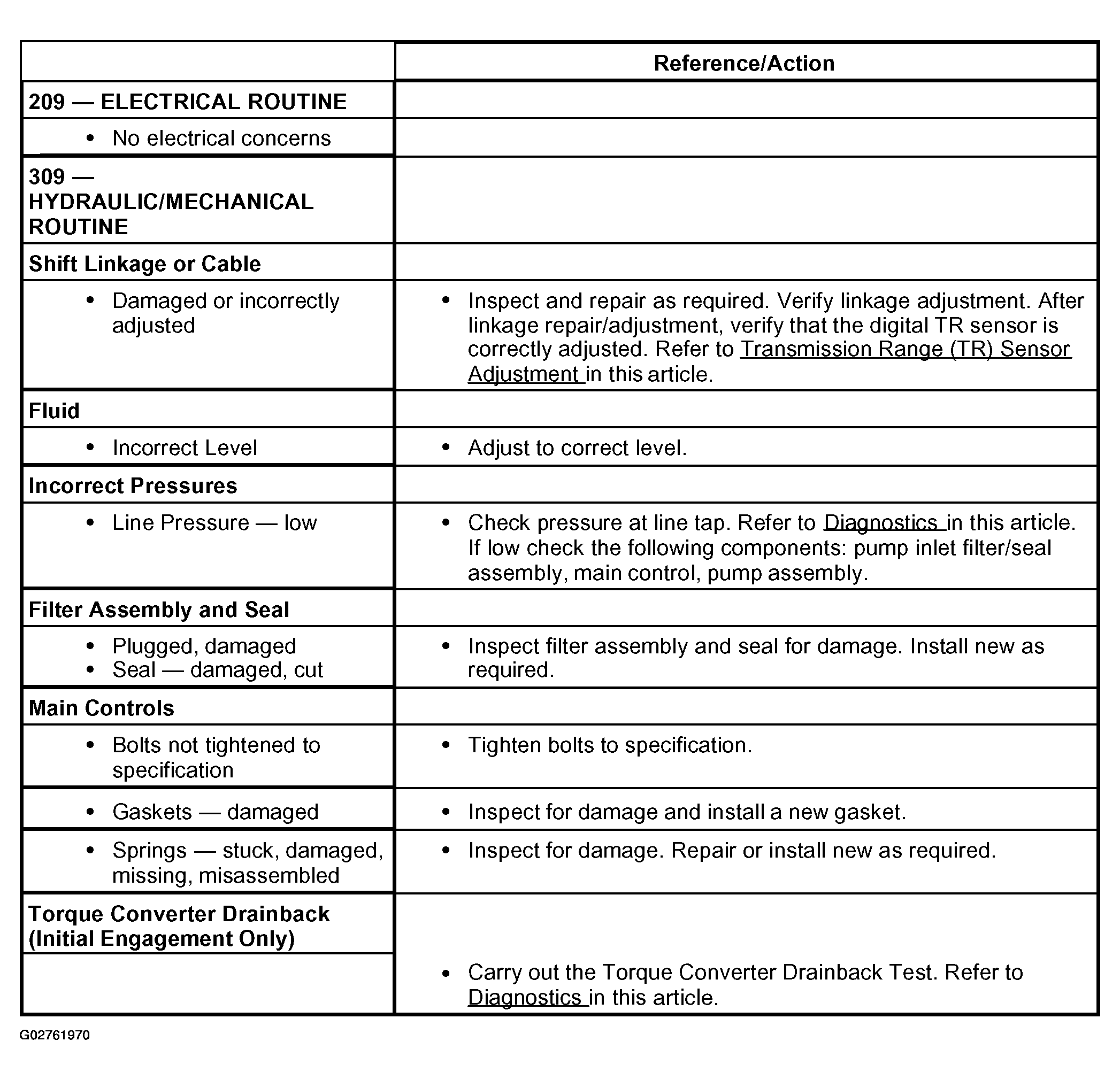 Courtesy of FORD MOTOR CO.
SHIFT CONCERNS: SOME OR ALL SHIFTS MISSING
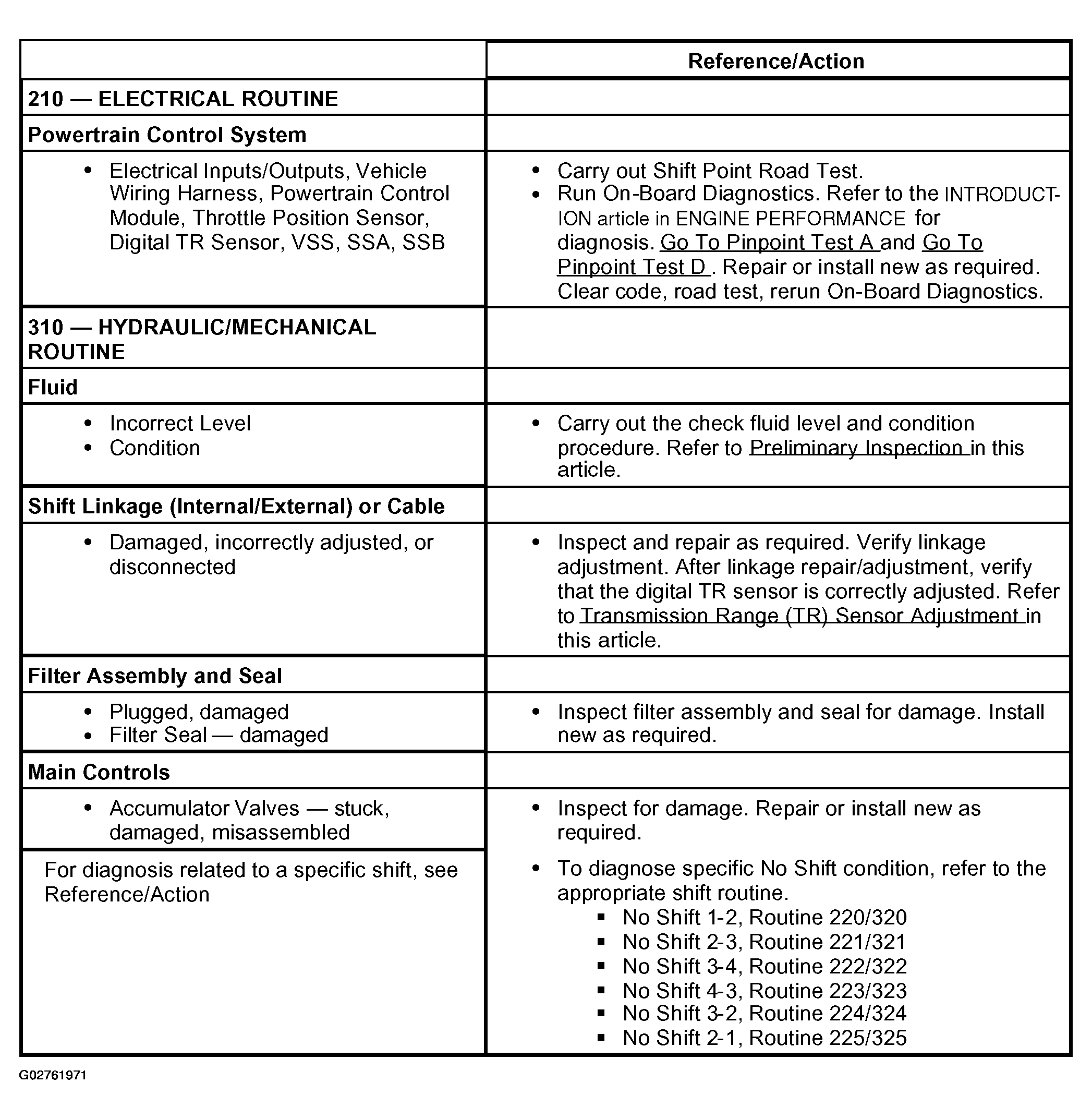 Courtesy of FORD MOTOR CO.
SHIFT CONCERNS: SHIFT TIMING - EARLY/LATE (SOME/ALL)
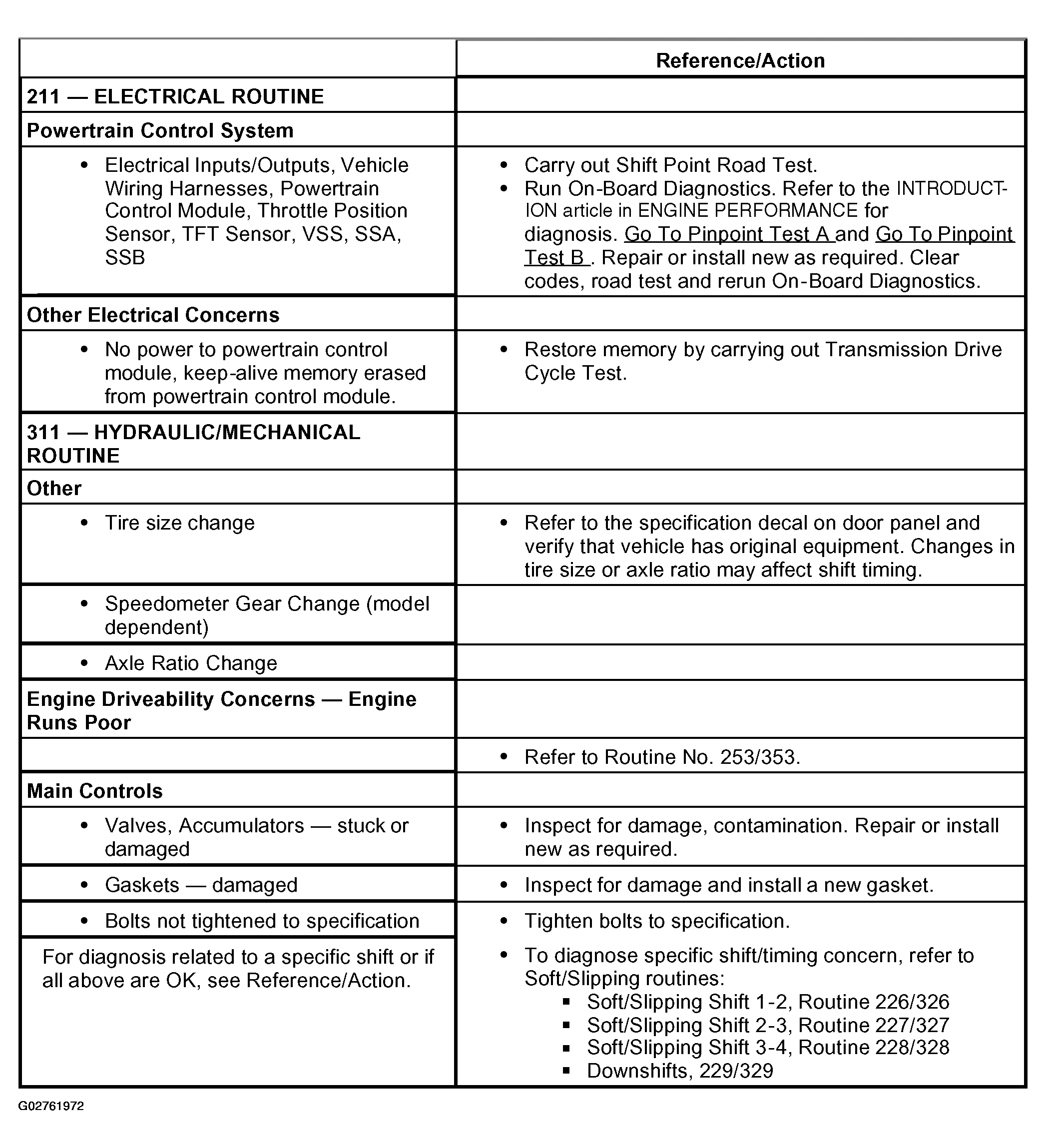 Courtesy of FORD MOTOR CO.
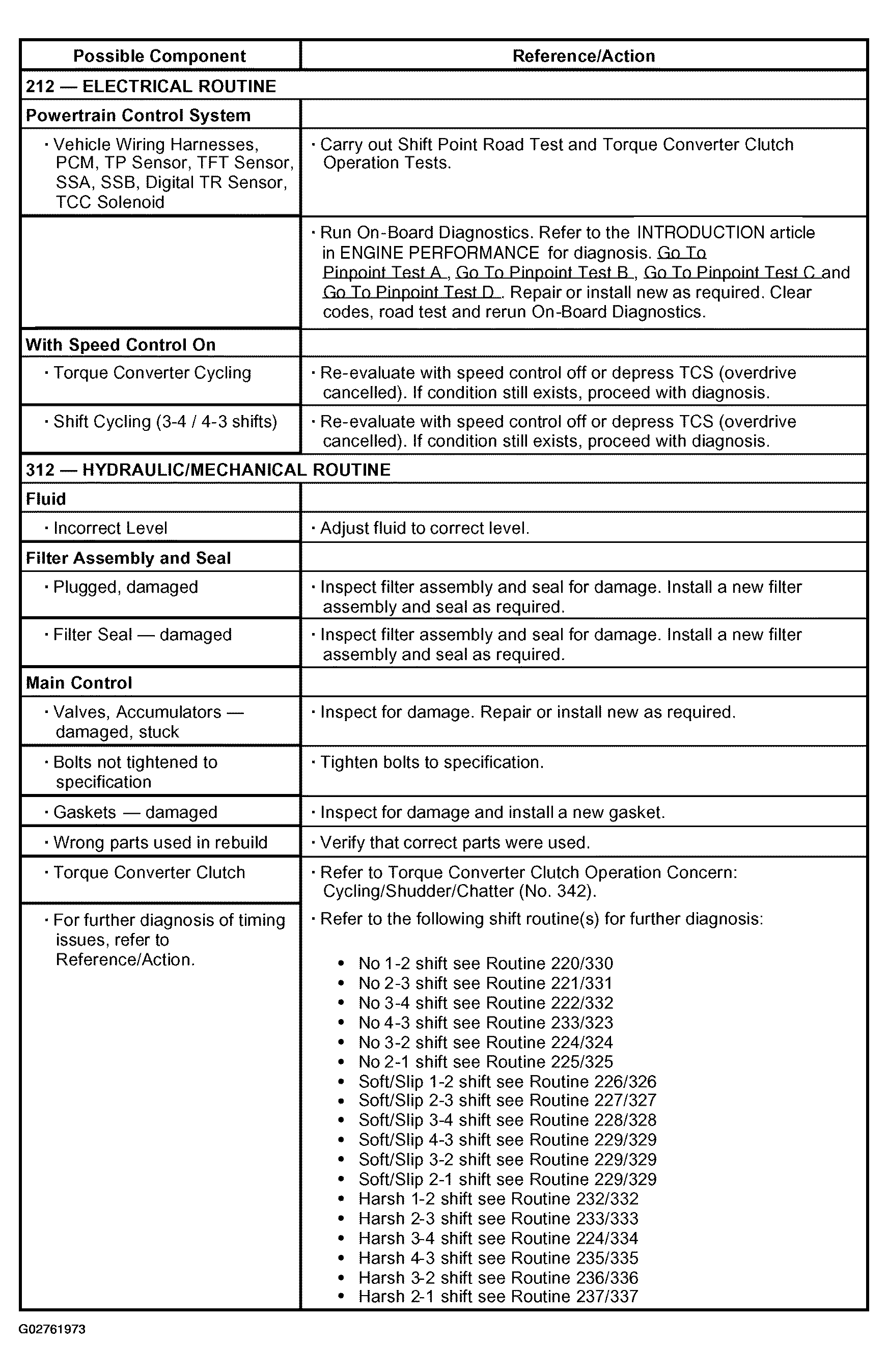
SHIFT CONCERNS: TIMING - ERRATIC/HUNTING (SOME/ALL)
 Courtesy of FORD MOTOR CO.
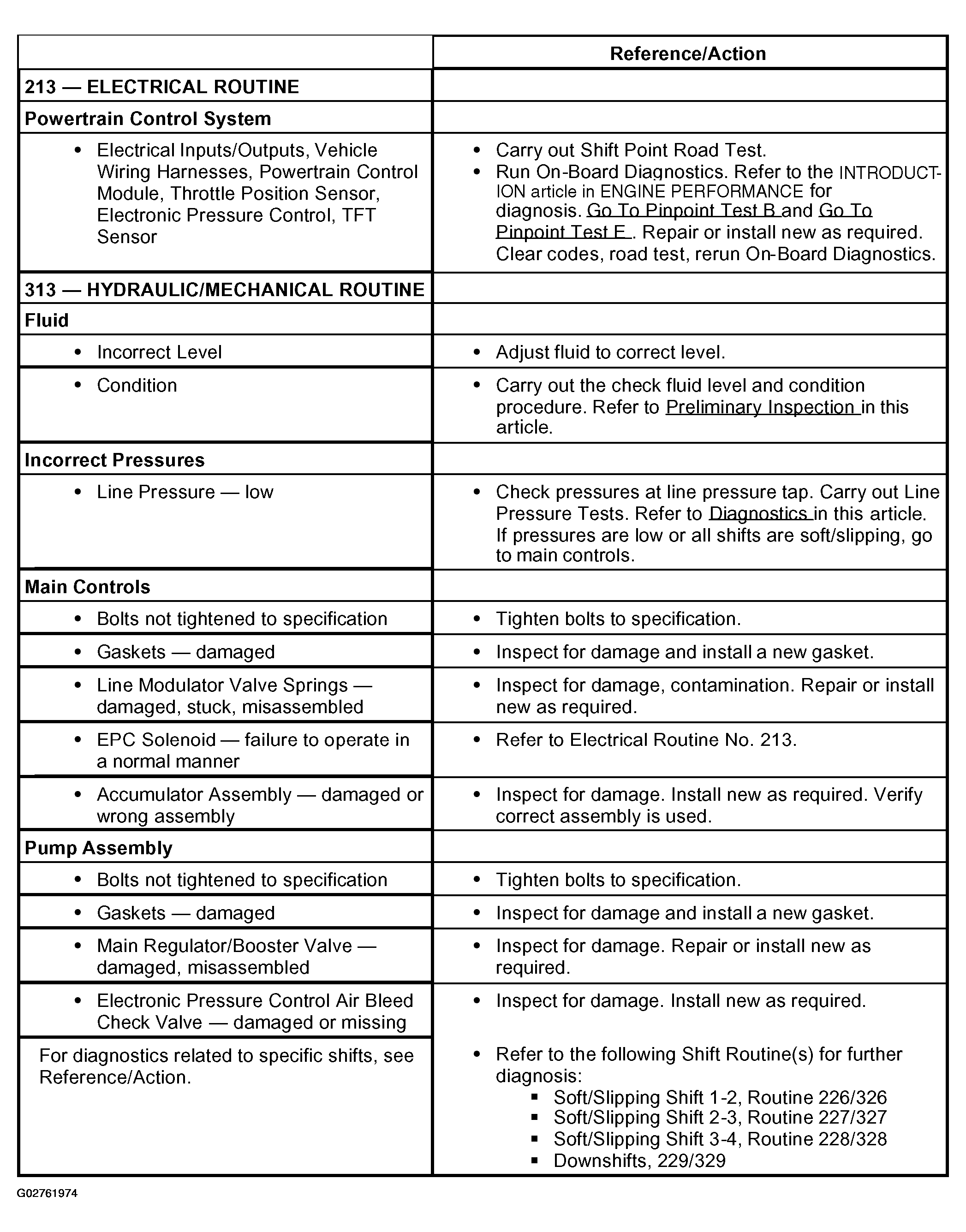
SHIFT CONCERNS: FEEL - SOFT/SLIPPING (SOME/ALL)
NOTE:
This vehicle has adaptive shift strategies. Whenever the battery has been disconnected and reconnected, some abnormal drive symptoms will occur while the vehicle relearns its adaptive strategy. The customer needs to be notified that they may experience slightly different upshifts (either soft or firm) and that this is a temporary condition that will eventually return to normal operating condition.
 Courtesy of FORD MOTOR CO.
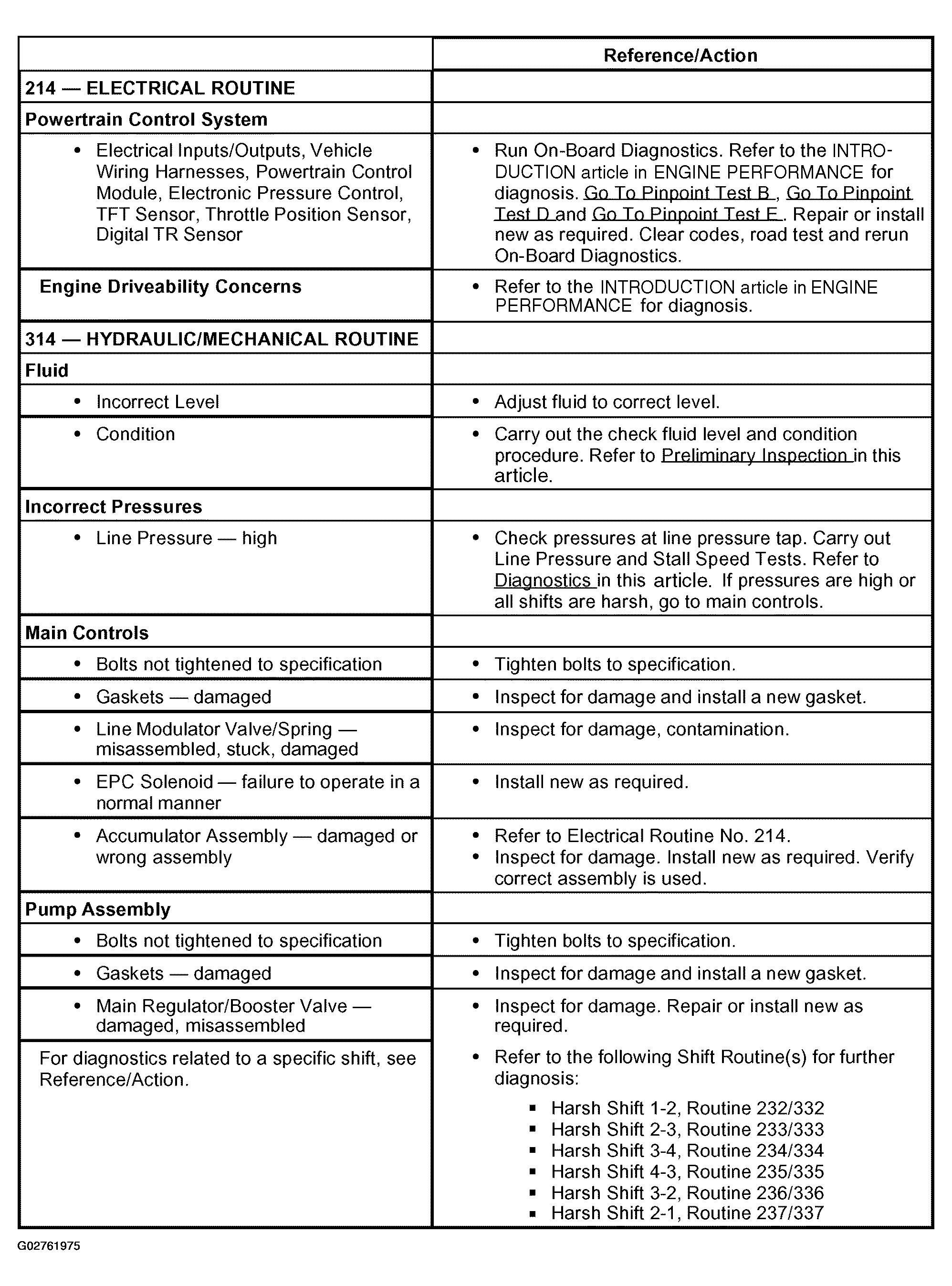
SHIFT CONCERNS: FEEL - HARSH (SOME/ALL)
NOTE:
This vehicle has adaptive shift strategies. Whenever the battery has been disconnected and reconnected, some abnormal drive symptoms will occur while the vehicle relearns its adaptive strategy. The customer needs to be notified that they may experience slightly different upshifts (either soft or firm) and that this is a temporary condition that will eventually return to normal operating condition.
 Courtesy of FORD MOTOR CO.
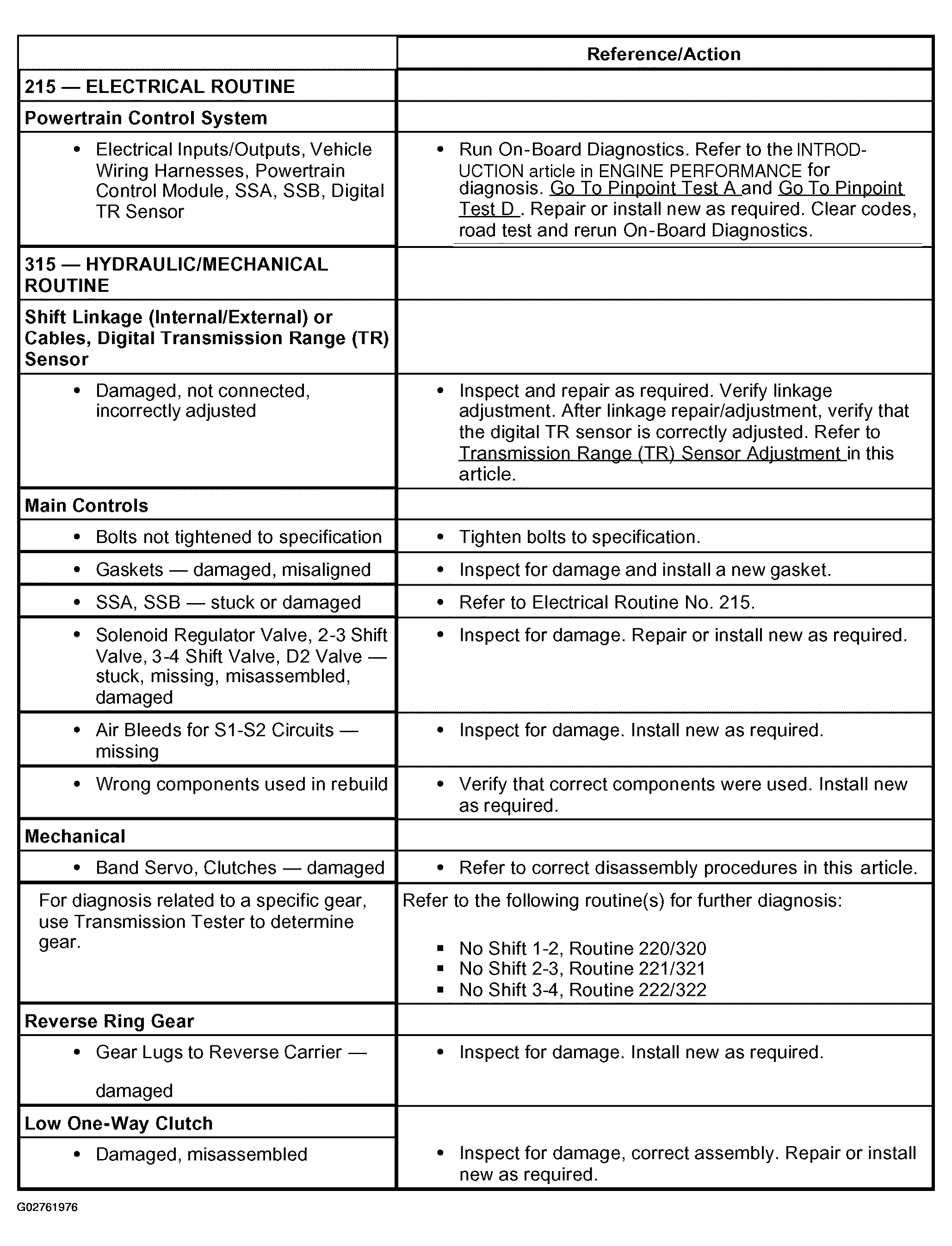
SHIFT CONCERNS: NO 1ST GEAR IN DRIVE, ENGAGES IN HIGHER GEAR
 Courtesy of FORD MOTOR CO.
SHIFT CONCERNS: NO MANUAL 1ST GEAR
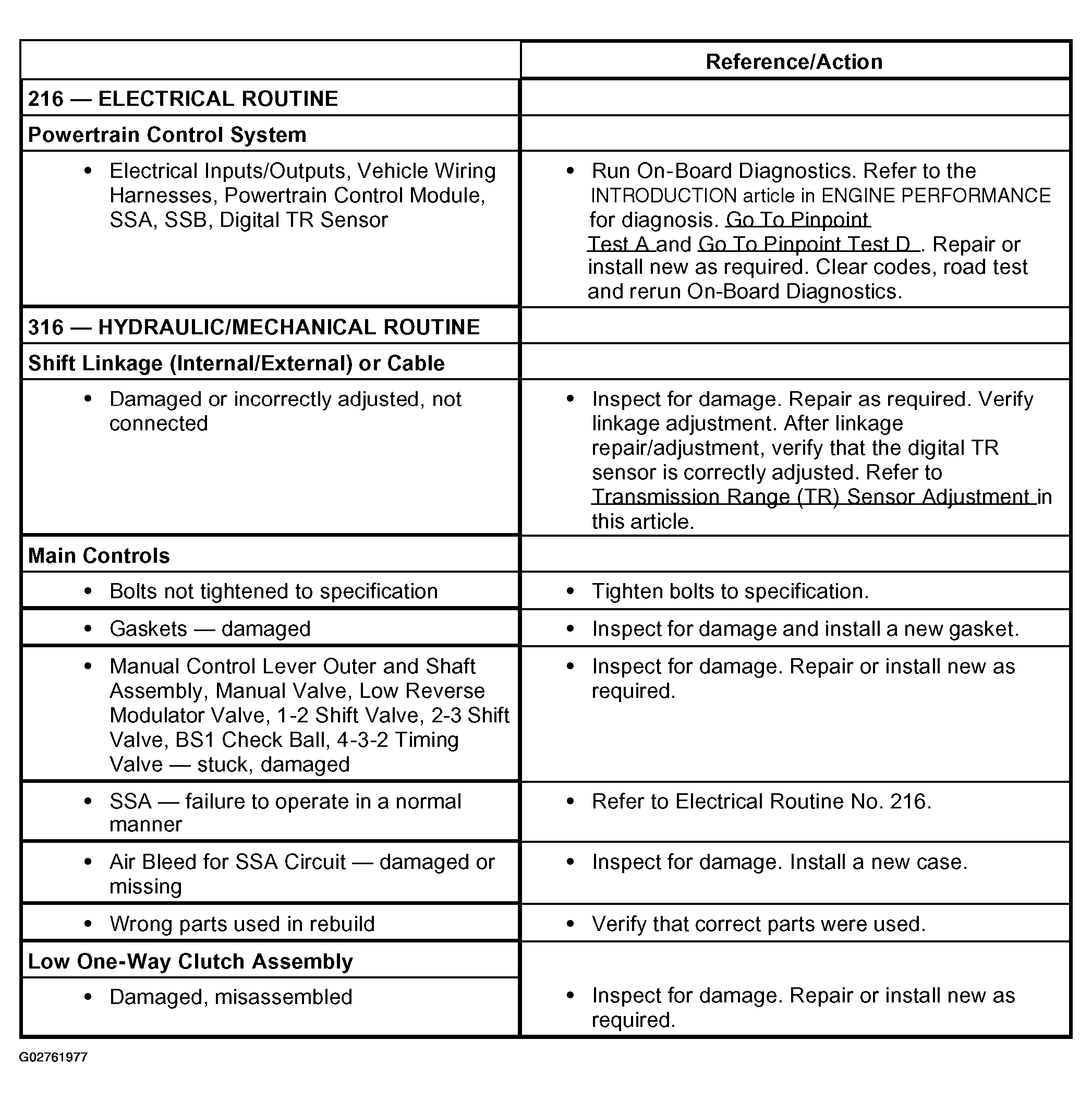 Courtesy of FORD MOTOR CO.
SHIFT CONCERNS: NO MANUAL 2ND GEAR
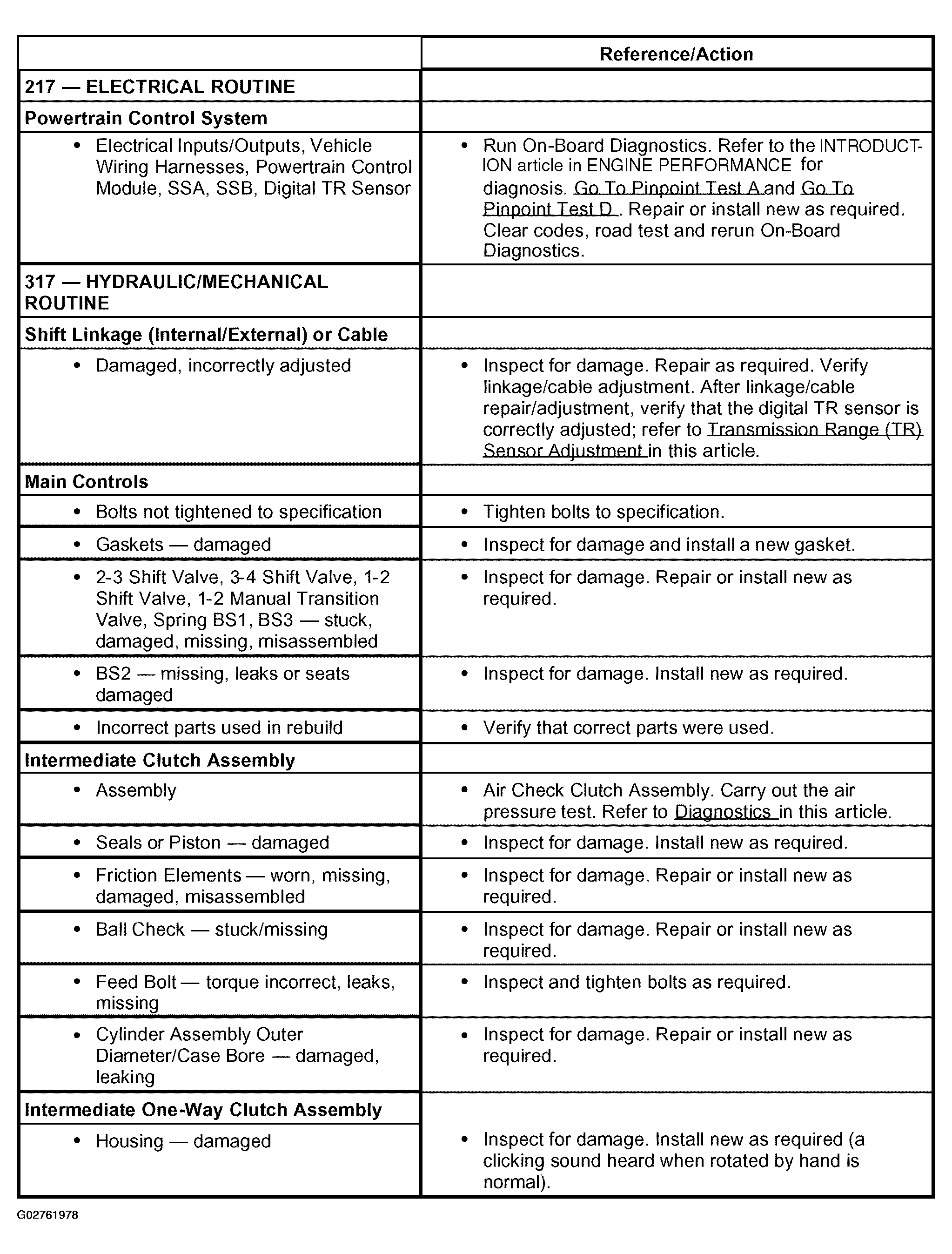 Courtesy of FORD MOTOR CO.
SHIFT CONCERNS: NO 1-2 SHIFT (AUTOMATIC)
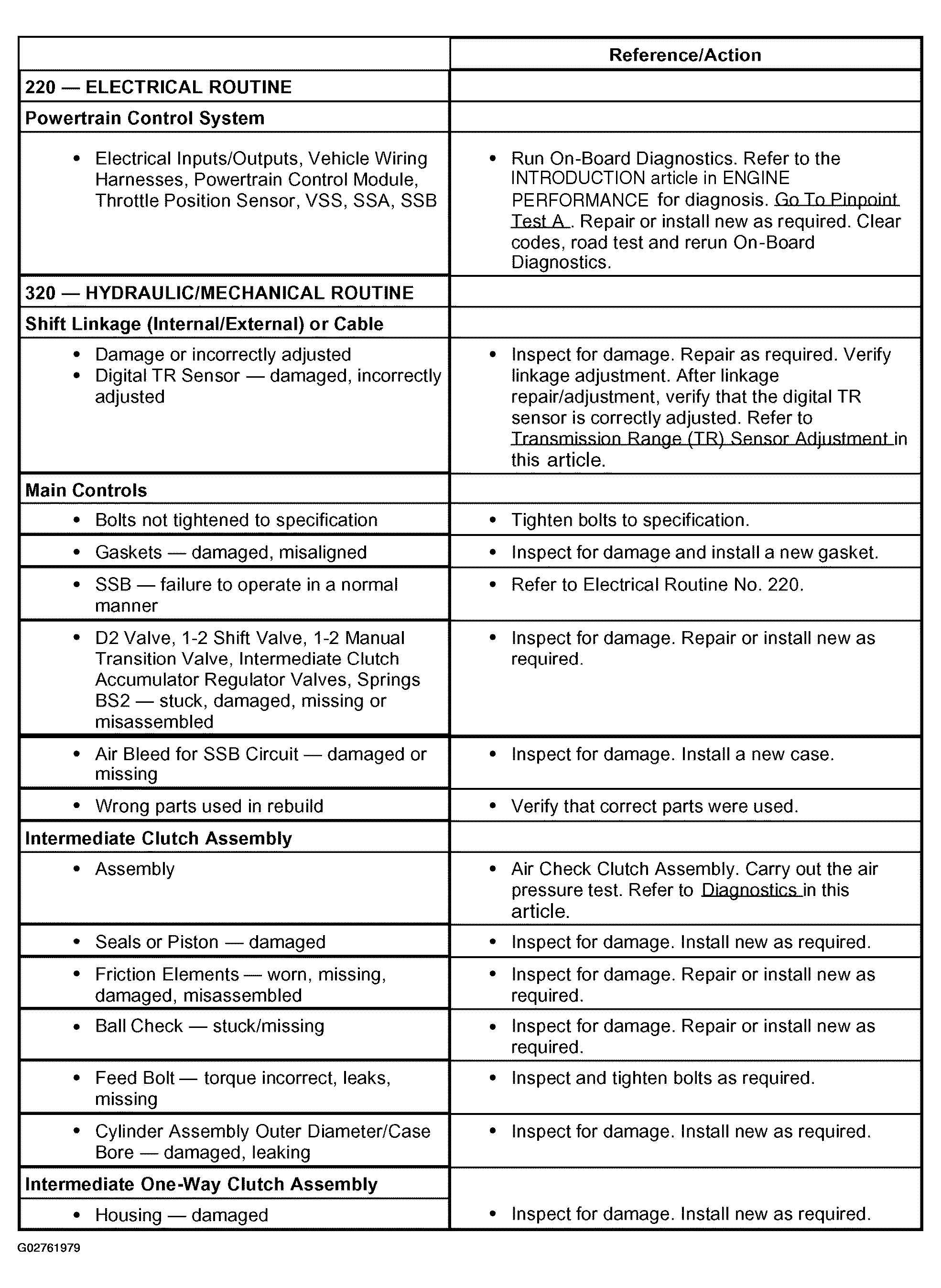 Courtesy of FORD MOTOR CO.
SHIFT CONCERNS: NO 2-3 SHIFT (AUTOMATIC)
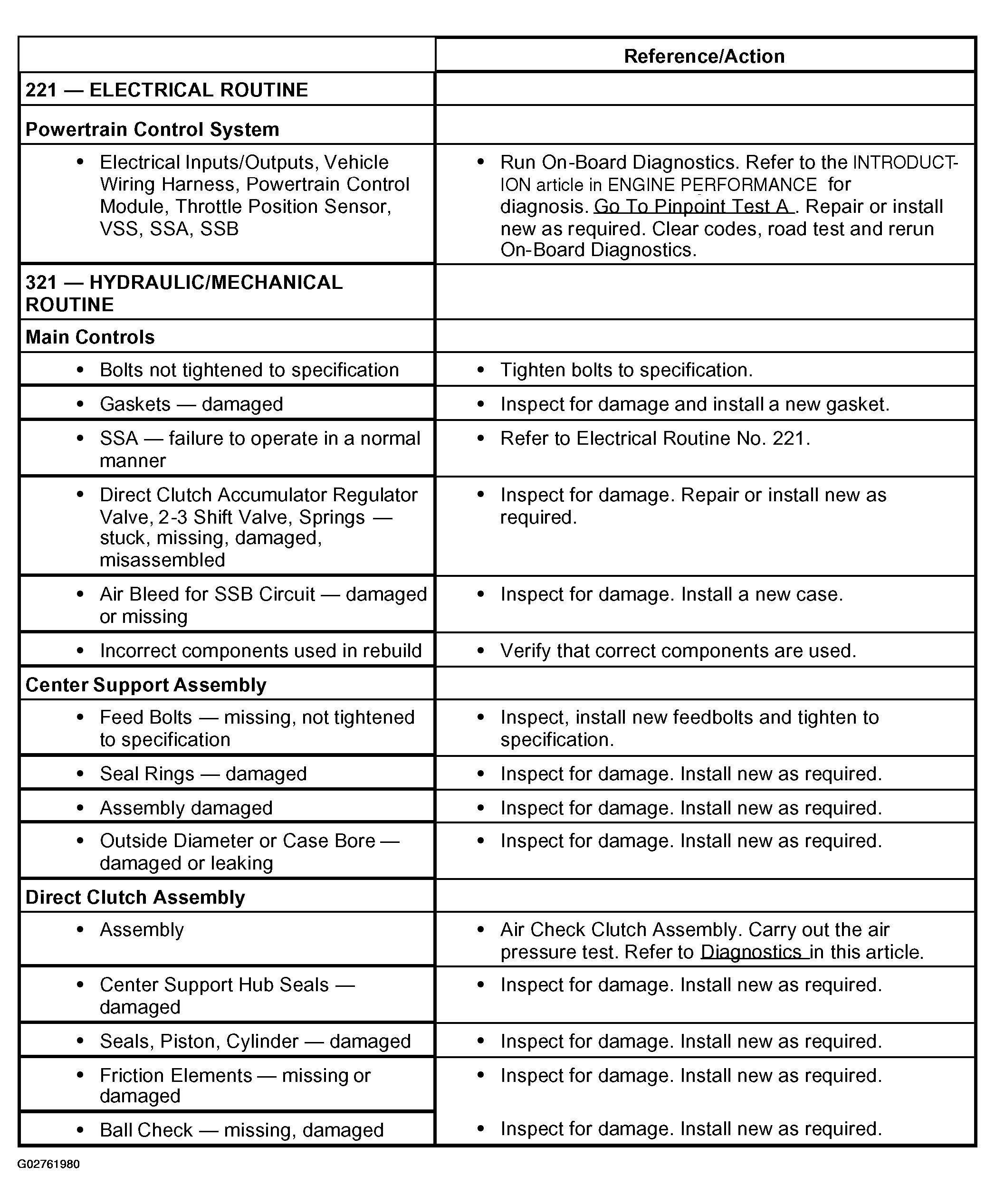 Courtesy of FORD MOTOR CO.
SHIFT CONCERNS: NO 3-4 SHIFT (AUTOMATIC)
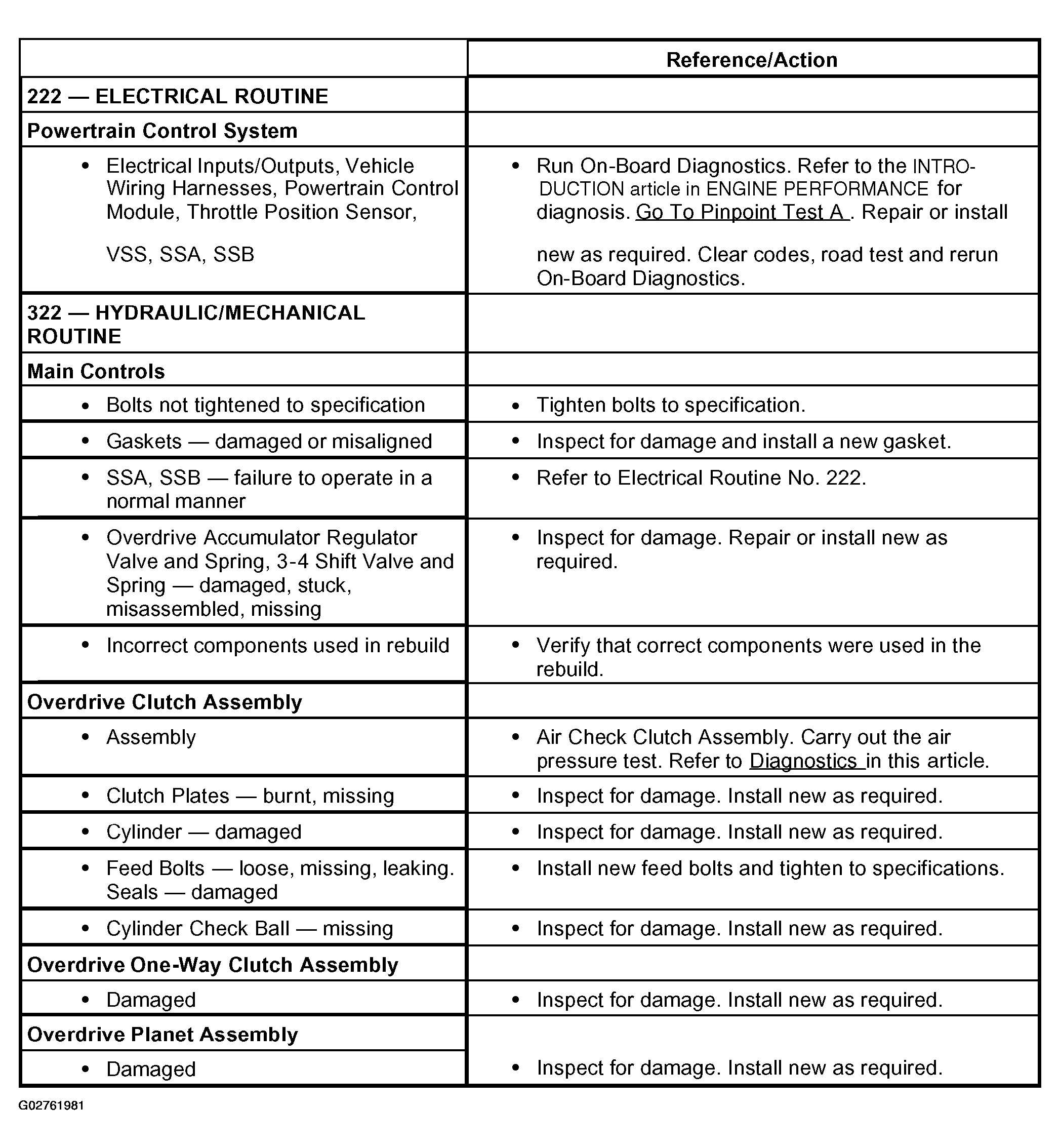 Courtesy of FORD MOTOR CO.
SHIFT CONCERNS: NO 4-3 SHIFT (AUTOMATIC)
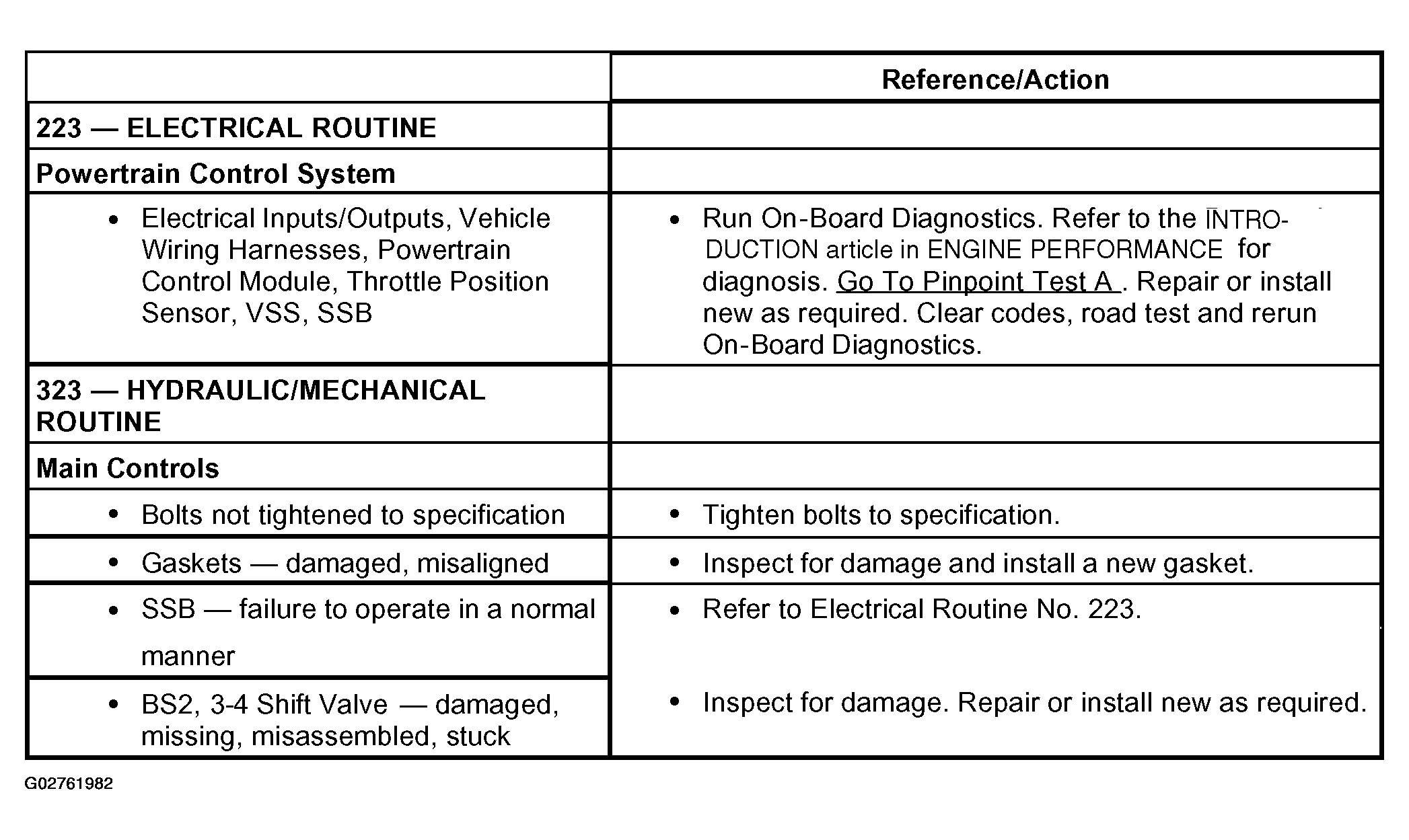 Courtesy of FORD MOTOR CO.
SHIFT CONCERNS: NO 3-2 SHIFT (AUTOMATIC)
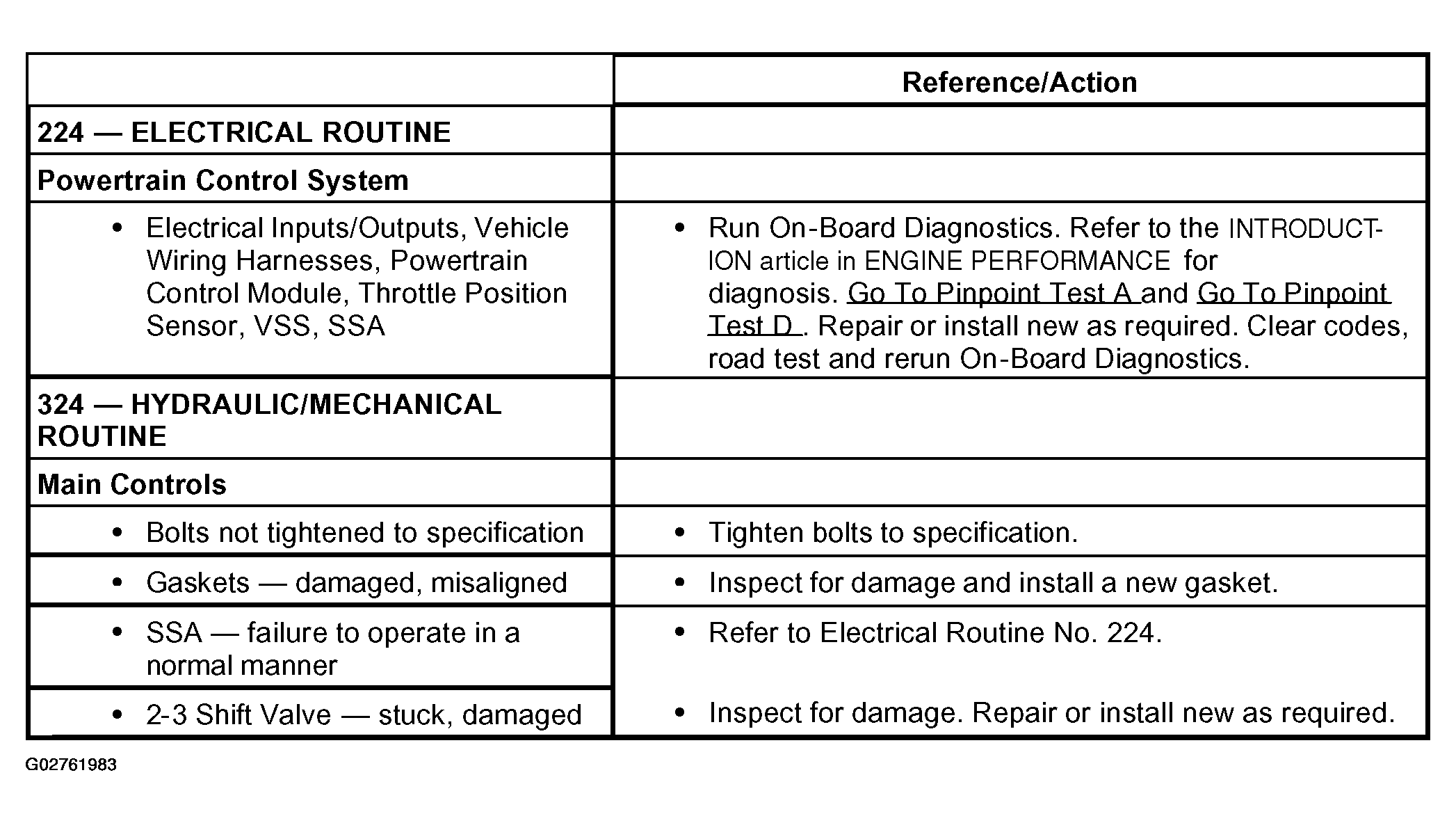 Courtesy of FORD MOTOR CO.
SHIFT CONCERNS: NO 2-1 SHIFT (AUTOMATIC)
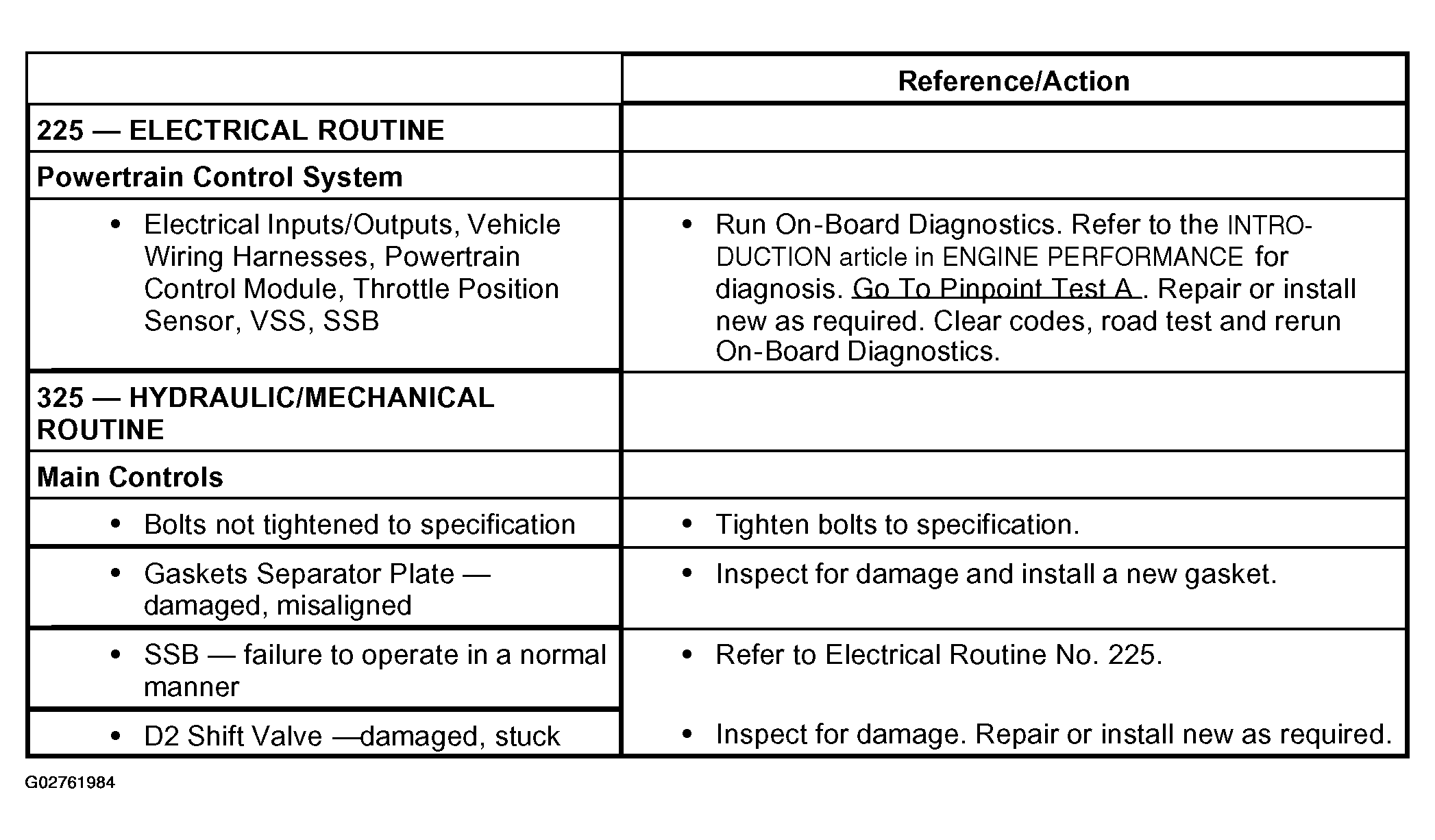 Courtesy of FORD MOTOR CO.
SHIFT CONCERNS: SOFT/SLIPPING 1-2 ONLY (AUTOMATIC)
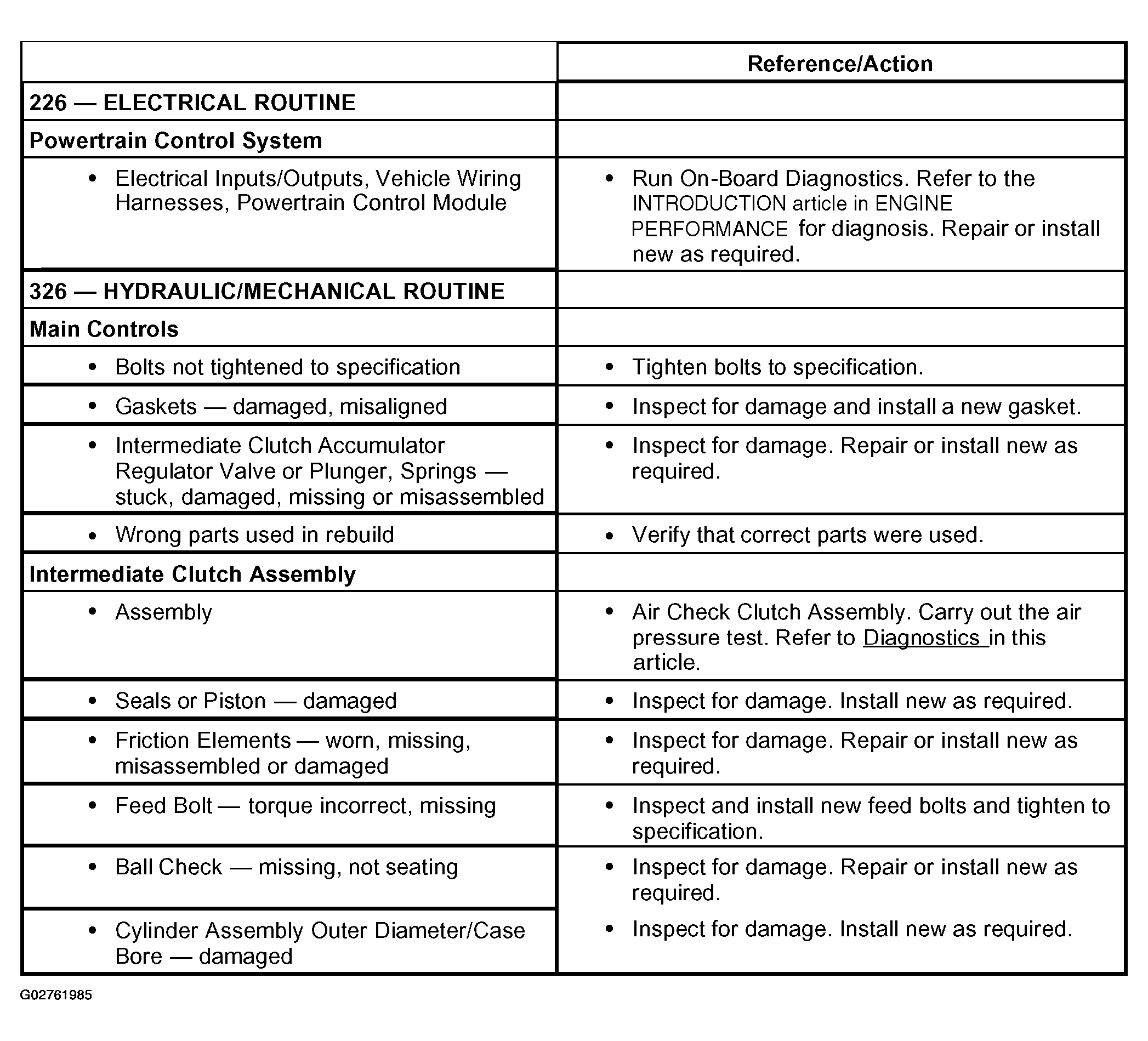 Courtesy of FORD MOTOR CO.
SHIFT CONCERNS: SOFT/SLIPPING 2-3 ONLY (AUTOMATIC)
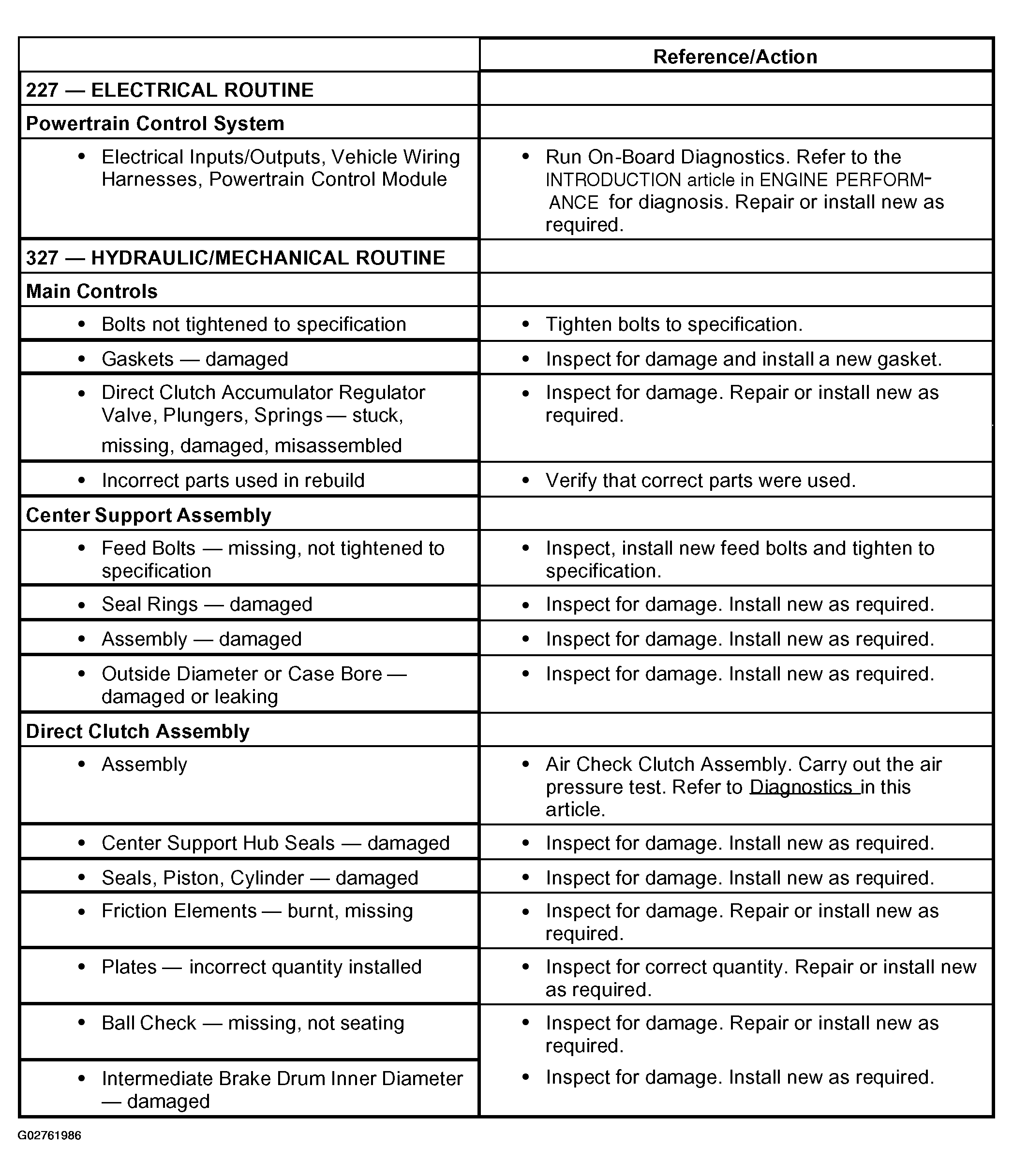 Courtesy of FORD MOTOR CO.
SHIFT CONCERNS: SOFT/SLIPPING 3-4 ONLY (AUTOMATIC)
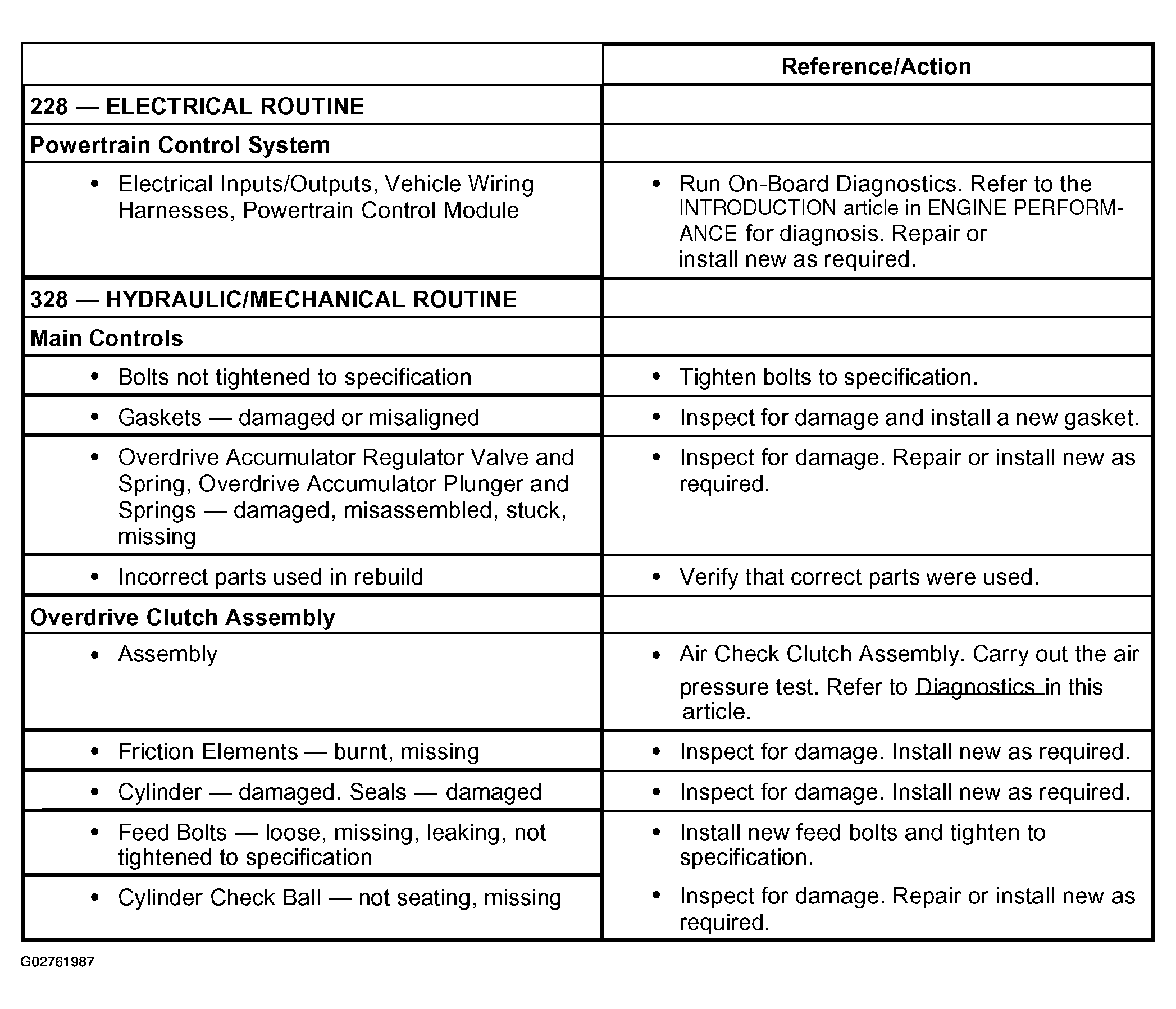 Courtesy of FORD MOTOR CO.
SHIFT CONCERNS: SOFT/SLIPPING DOWNSHIFTS (AUTOMATIC)
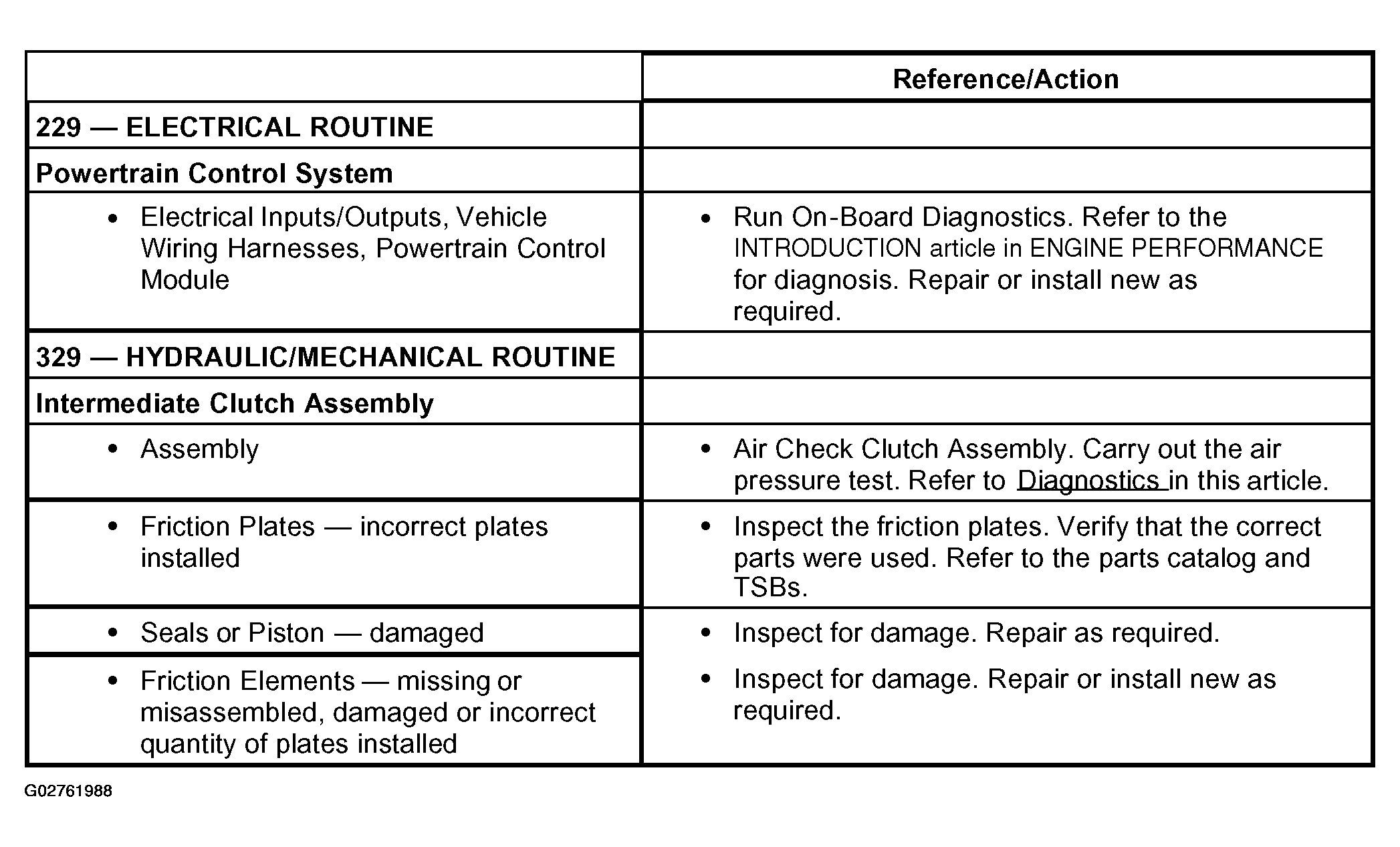 Courtesy of FORD MOTOR CO.
SHIFT CONCERNS: HARSH 1-2 SHIFT ONLY (AUTOMATIC)
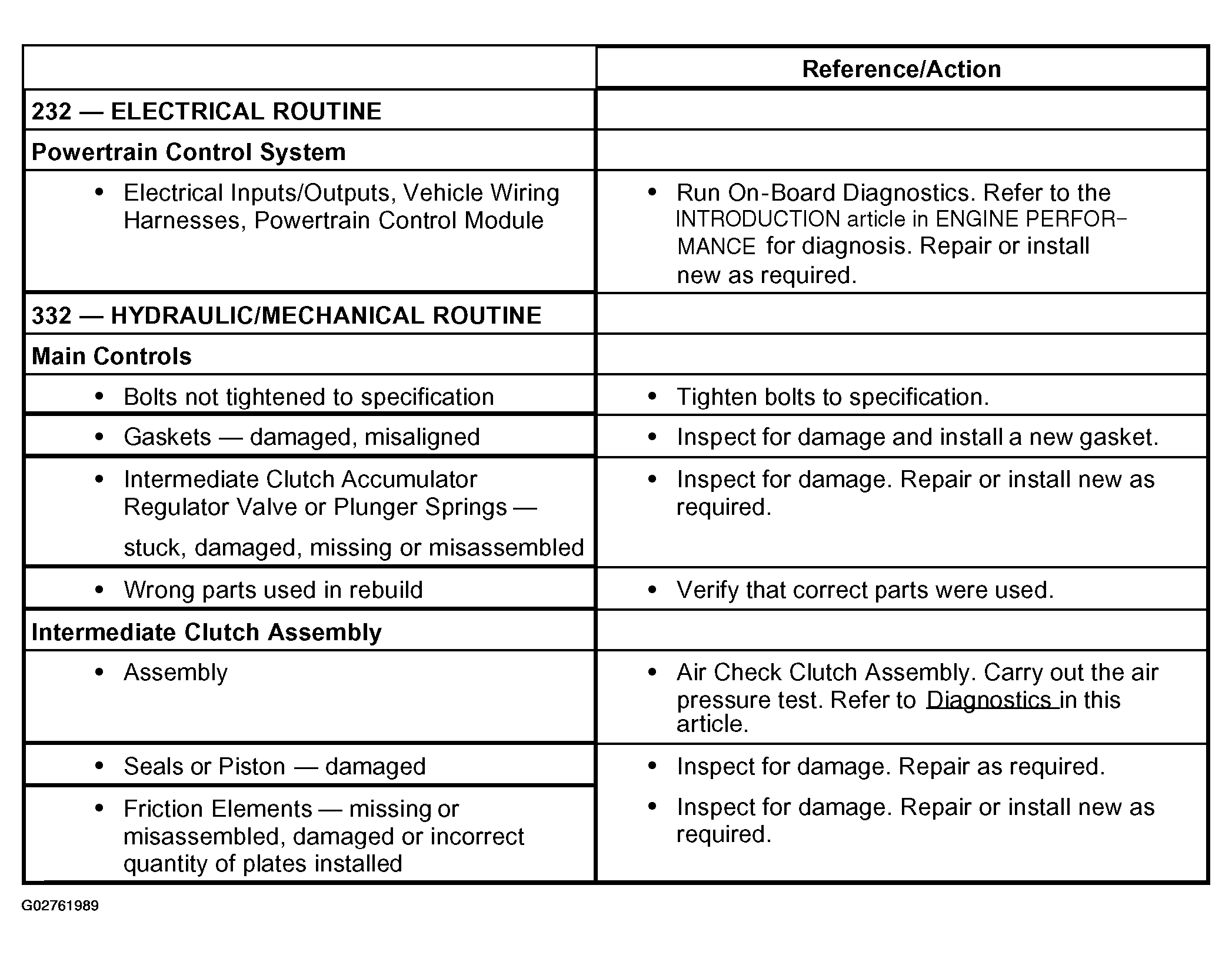 Courtesy of FORD MOTOR CO.
SHIFT CONCERNS: HARSH 2-3 SHIFT ONLY (AUTOMATIC)
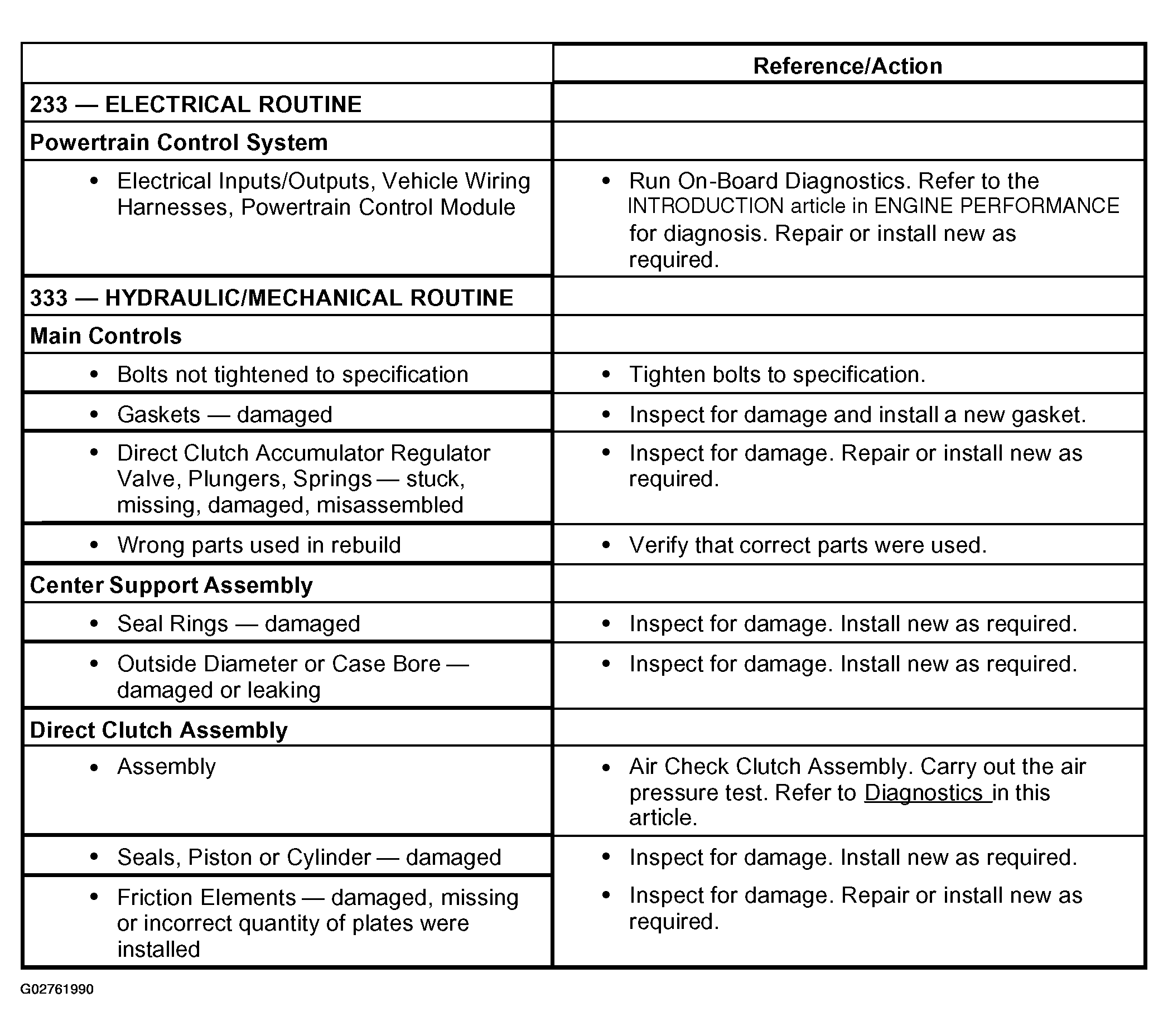 Courtesy of FORD MOTOR CO.
SHIFT CONCERNS: HARSH 3-4 SHIFT ONLY (AUTOMATIC)
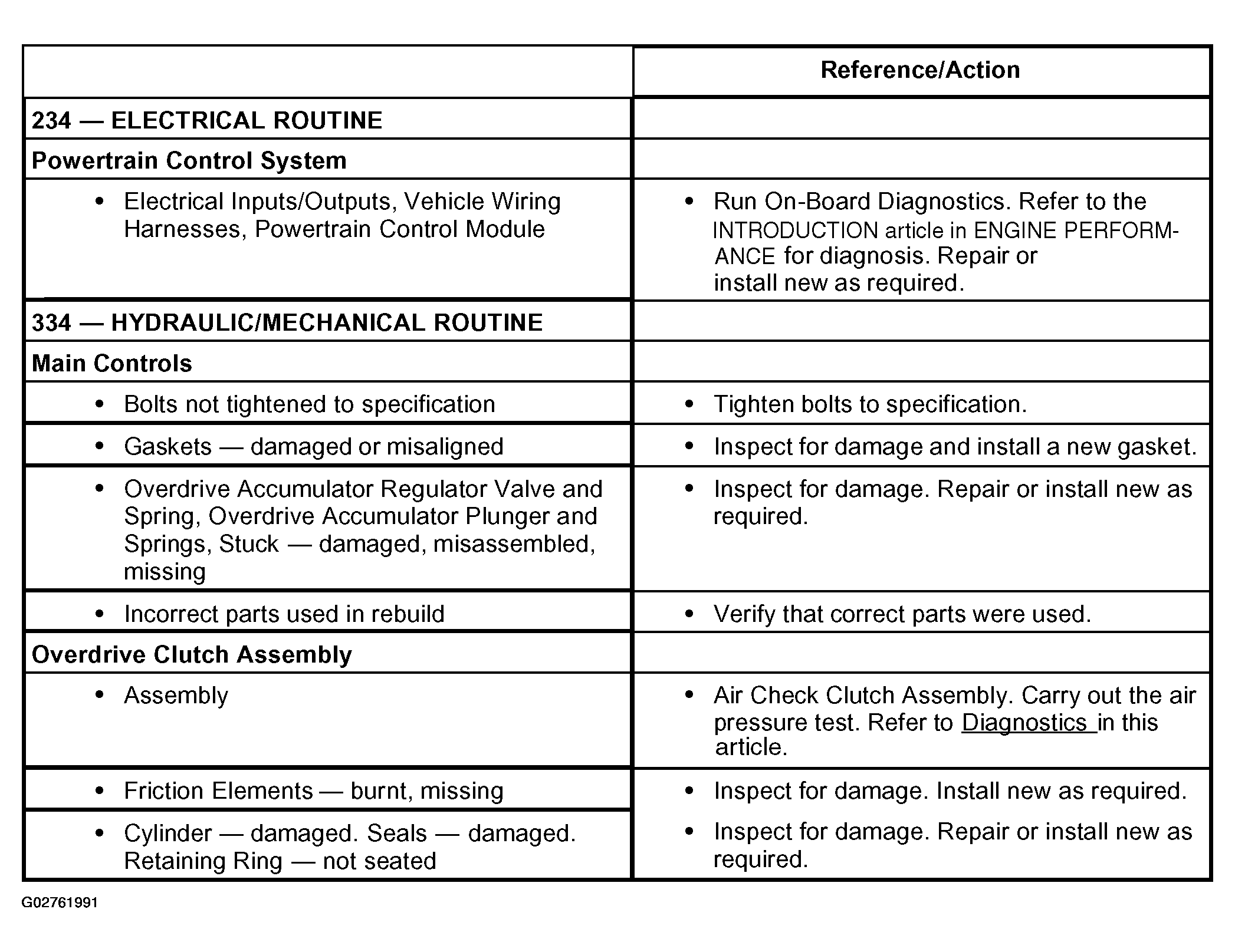 Courtesy of FORD MOTOR CO.
SHIFT CONCERNS: HARSH 4-3 SHIFT ONLY (AUTOMATIC)
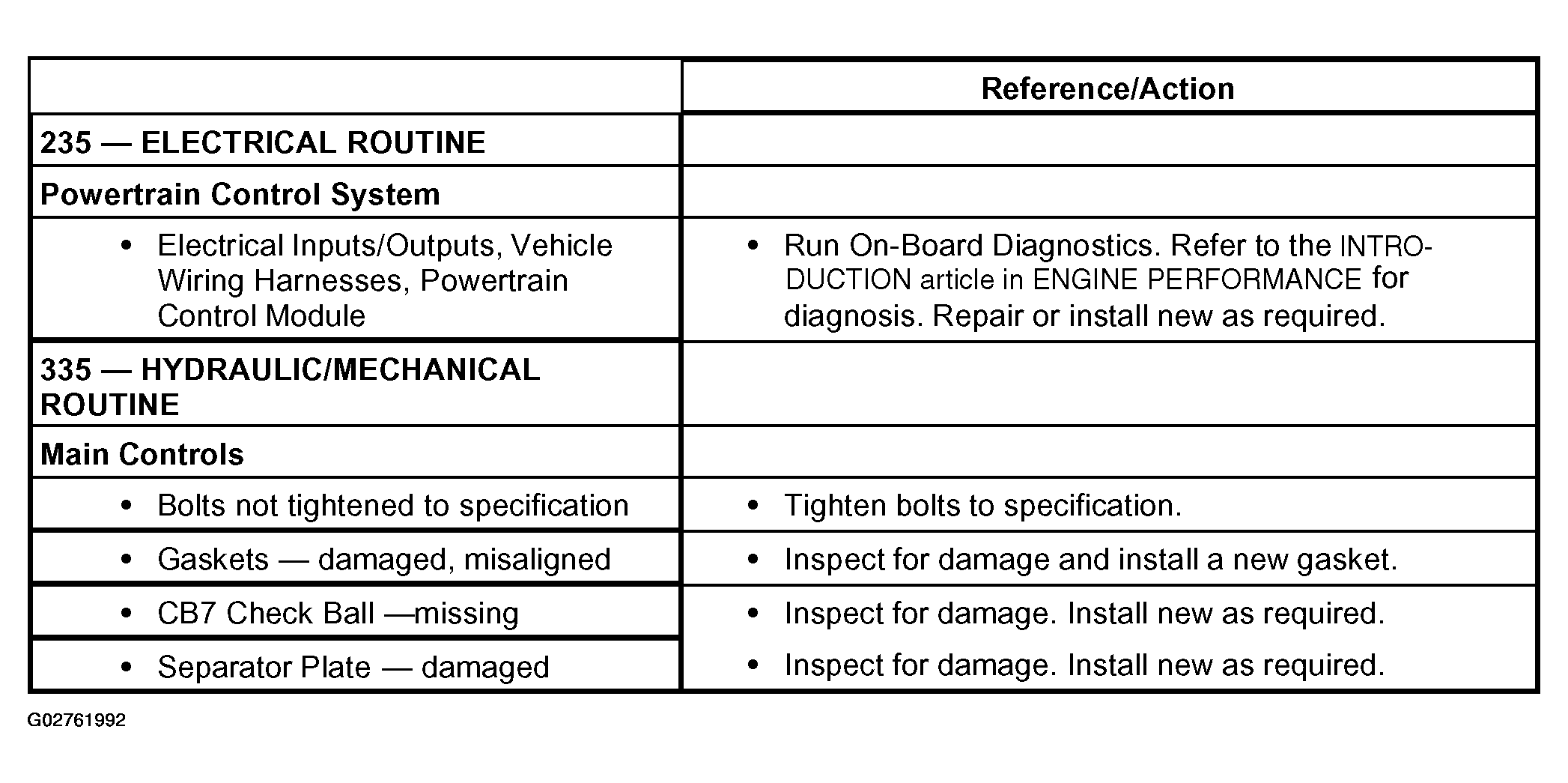 Courtesy of FORD MOTOR CO.
SHIFT CONCERNS: HARSH 3-2 SHIFT ONLY (AUTOMATIC)
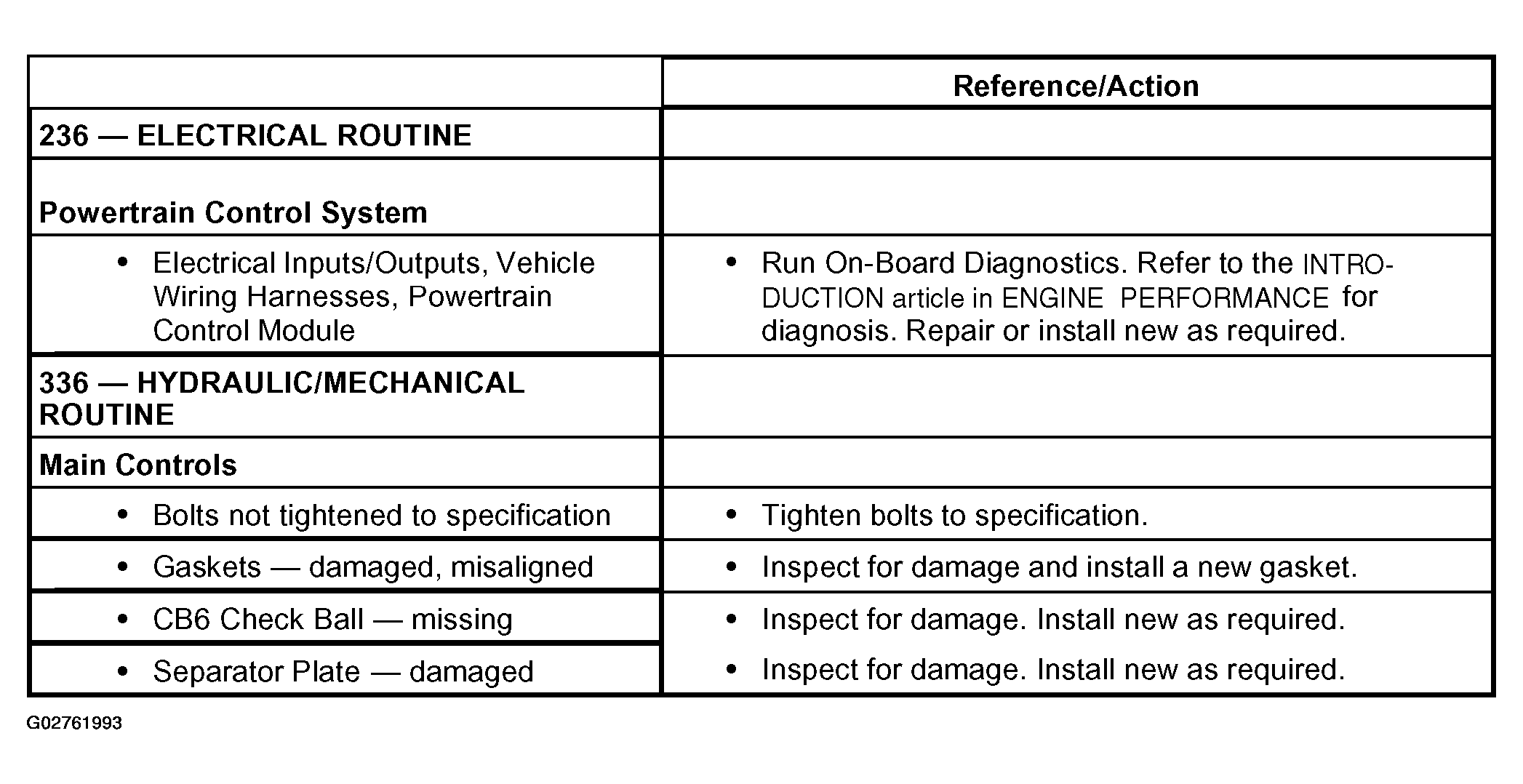 Courtesy of FORD MOTOR CO.
SHIFT CONCERNS: HARSH 2-1 SHIFT ONLY (AUTOMATIC)
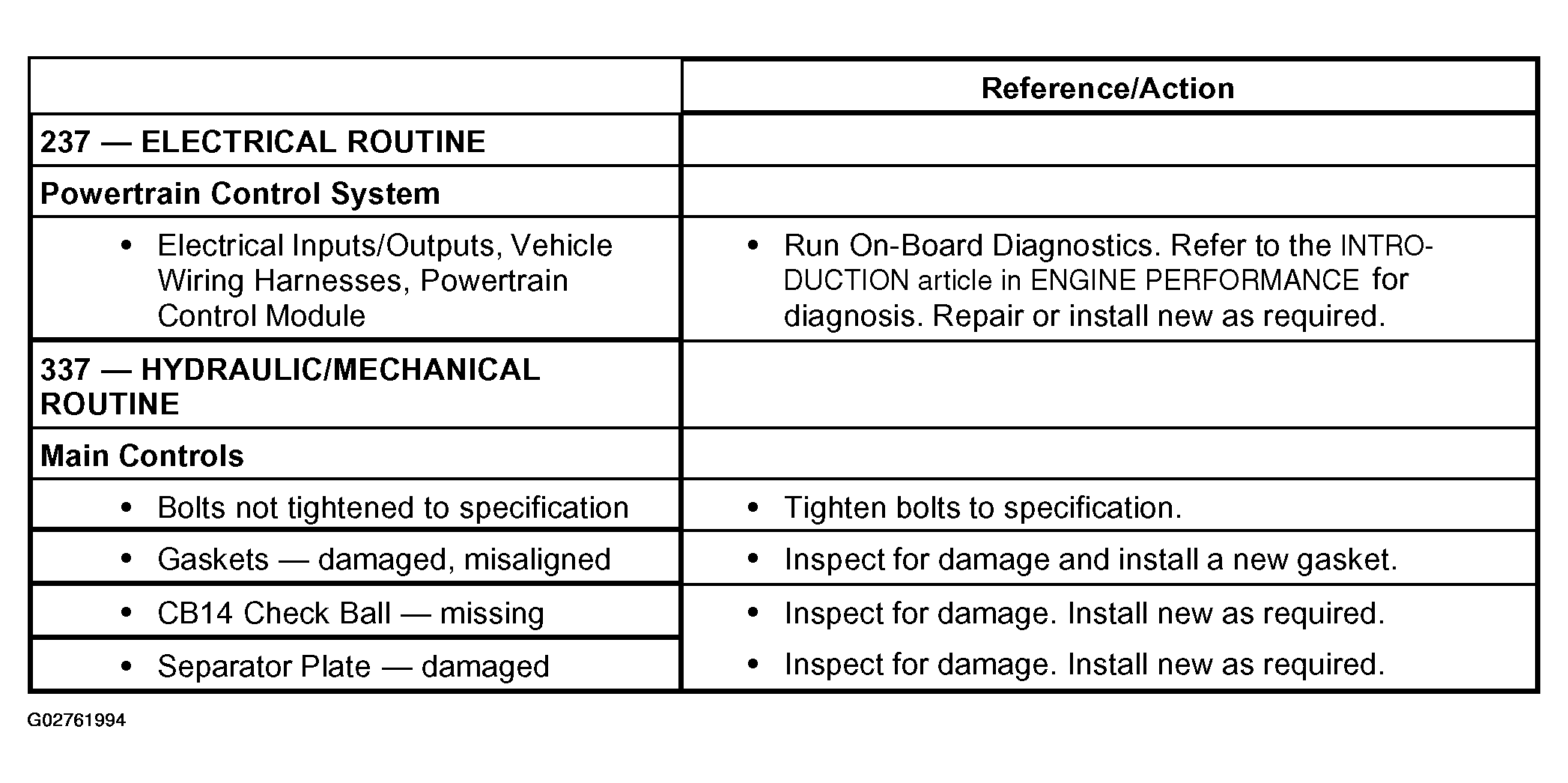 Courtesy of FORD MOTOR CO.
TORQUE CONVERTER CLUTCH OPERATION CONCERN: NO APPLY
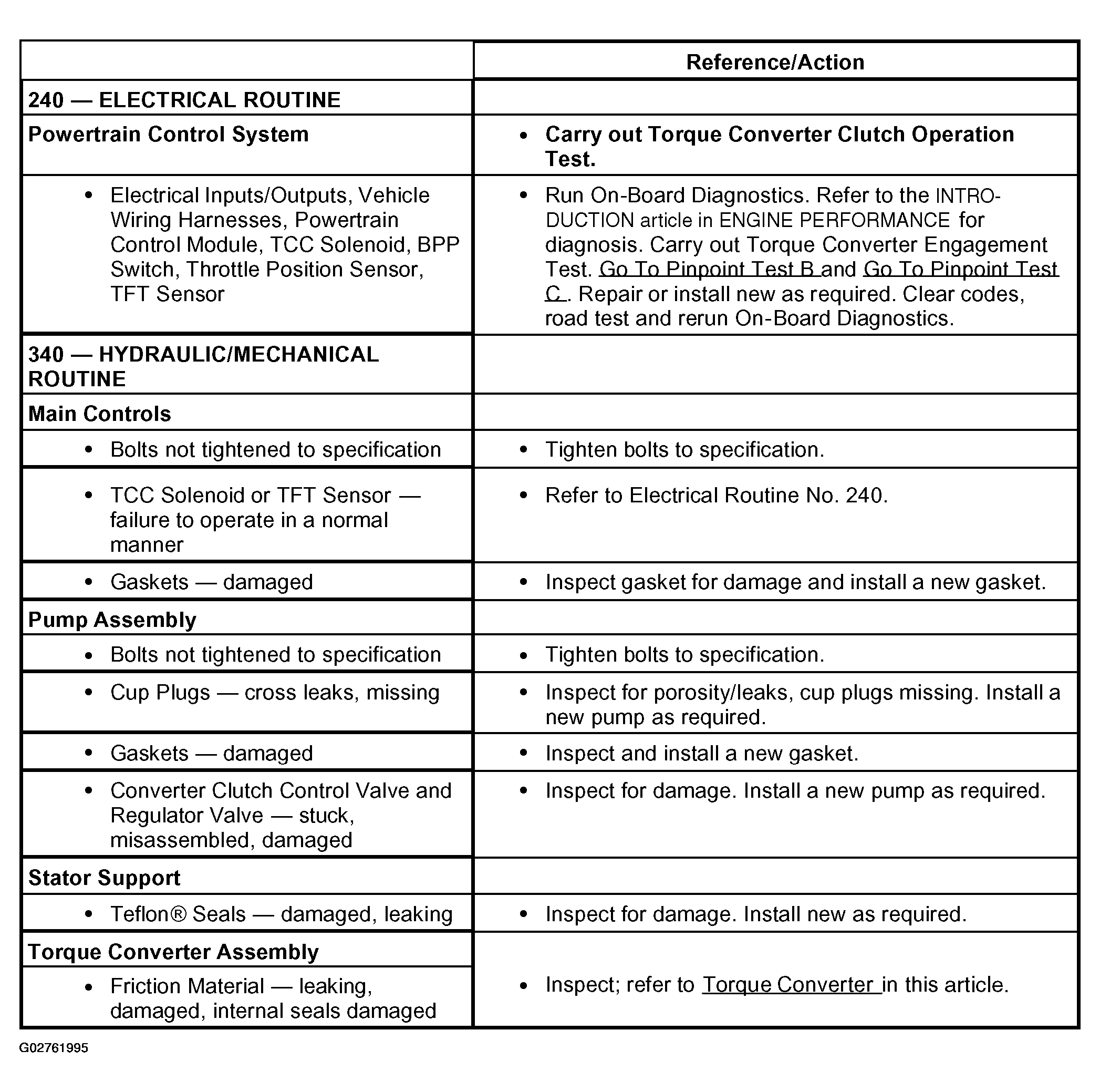 Courtesy of FORD MOTOR CO.
TORQUE CONVERTER CLUTCH OPERATION CONCERN: ALWAYS APPLIED/STALLS VEHICLE (SEE NOTE IN NO. 241 BEFORE PROCEEDING)
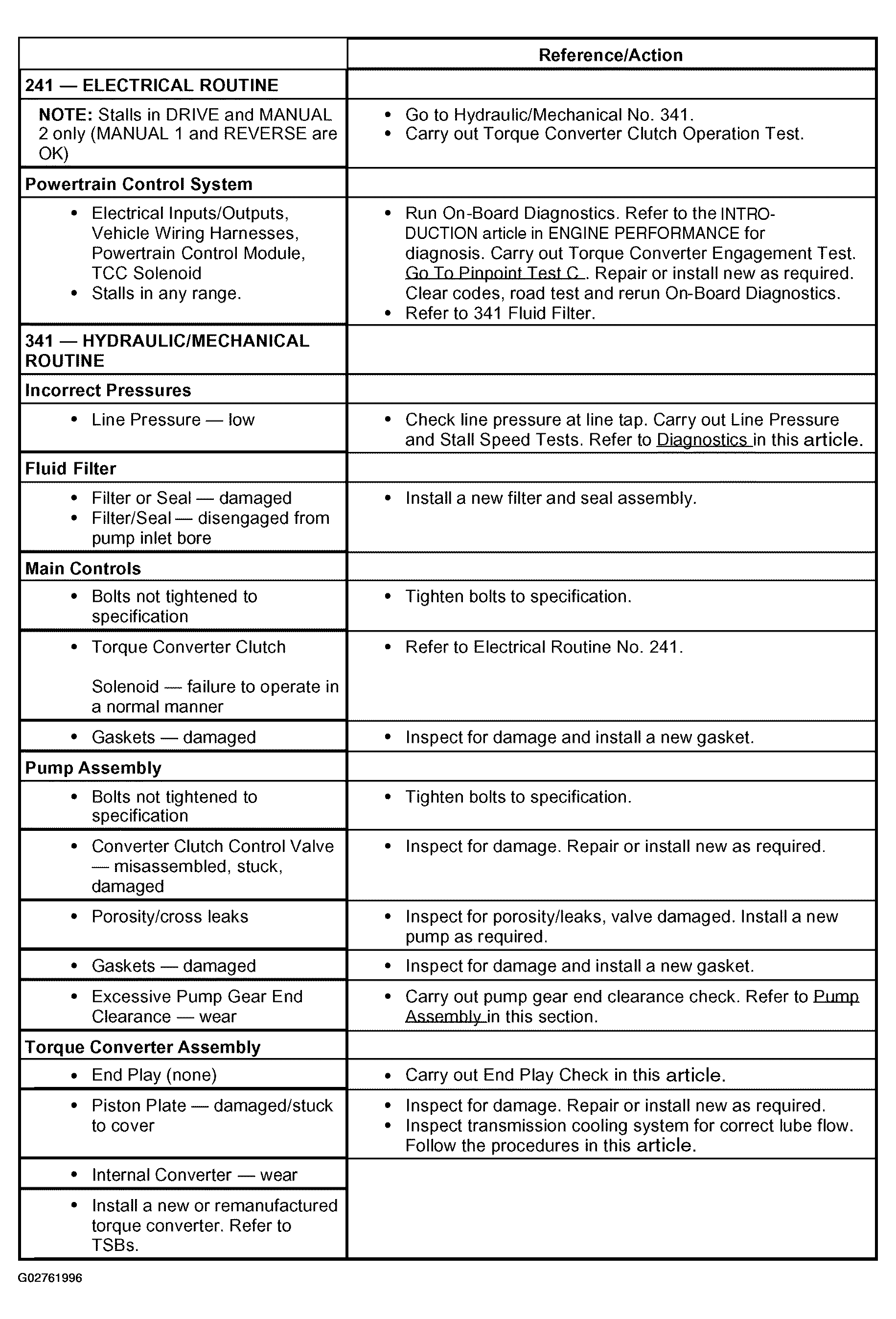 Courtesy of FORD MOTOR CO.
TORQUE CONVERTER CLUTCH OPERATION CONCERN: CYCLING/SHUDDER/CHATTER
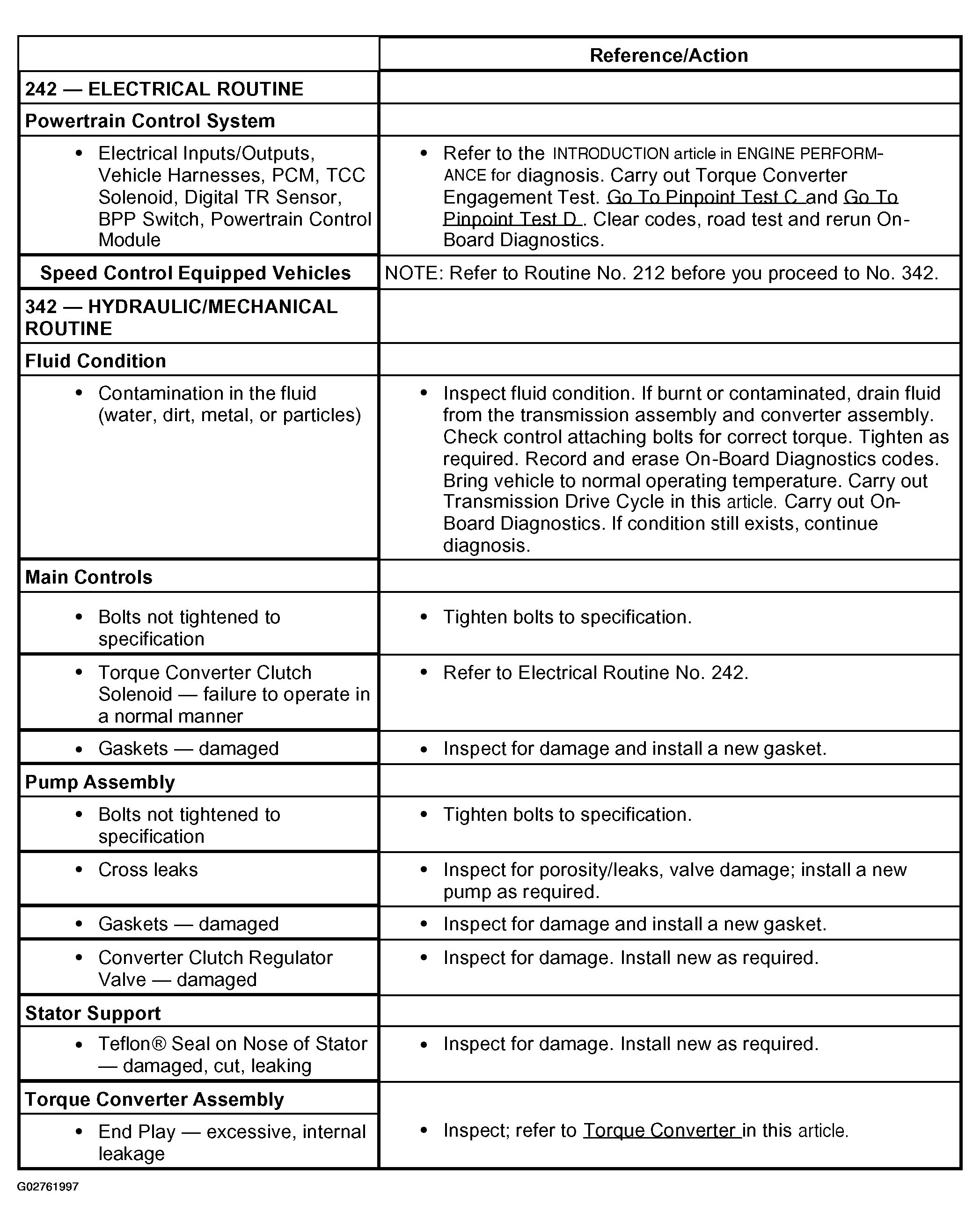 Courtesy of FORD MOTOR CO.
OTHER CONCERNS: SHIFT LEVER EFFORTS HIGH
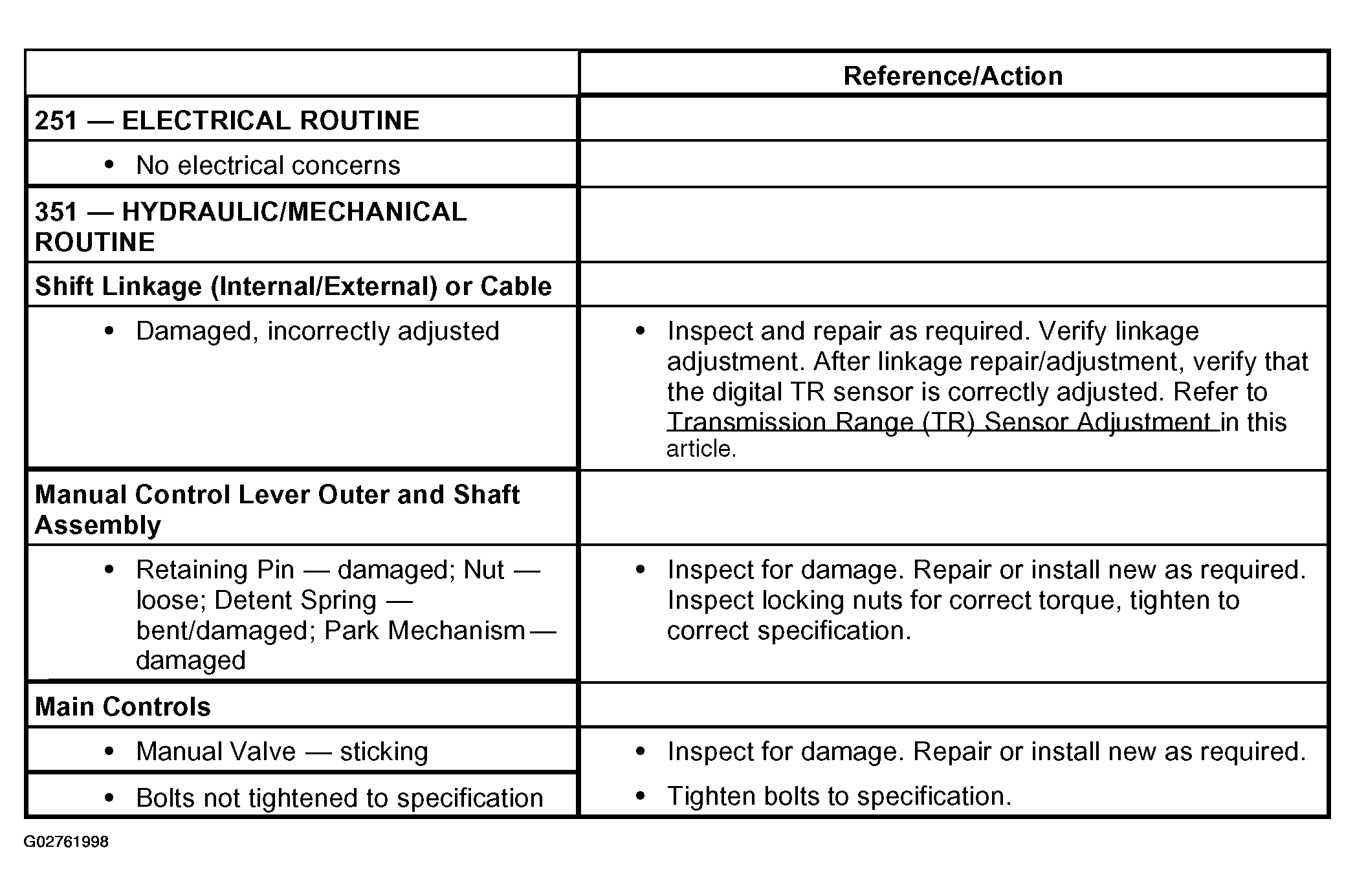 Courtesy of FORD MOTOR CO.
OTHER CONCERNS: EXTERNAL LEAKS
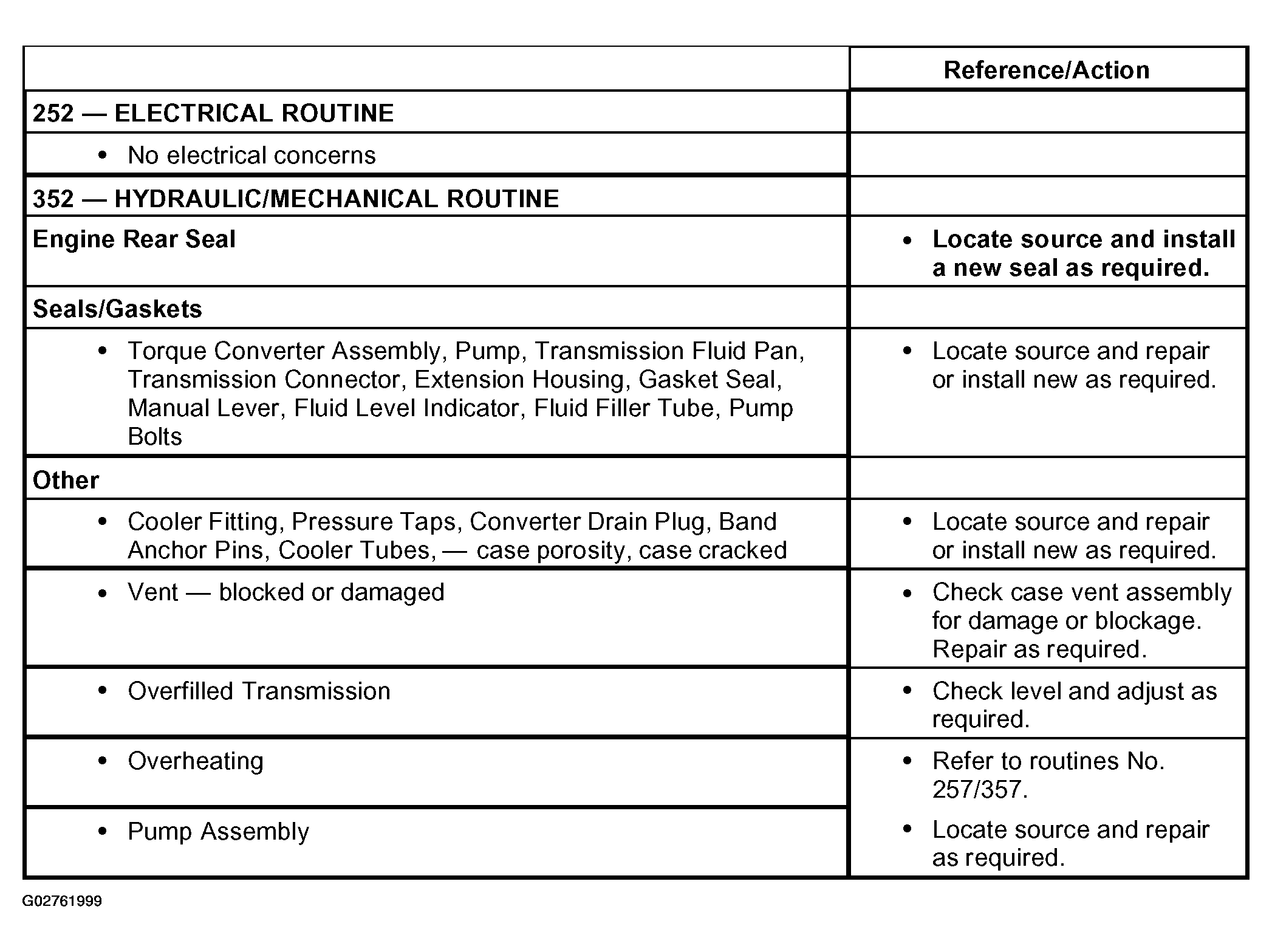 Courtesy of FORD MOTOR CO.
OTHER CONCERNS: VEHICLE RUNS POOR
NOTE:
Check for driveability concerns. It is possible that the transmission is functioning correctly based on input from the PCM. All non-related transmission DTCs should be repaired prior to any transmission repair or installation of a new component.
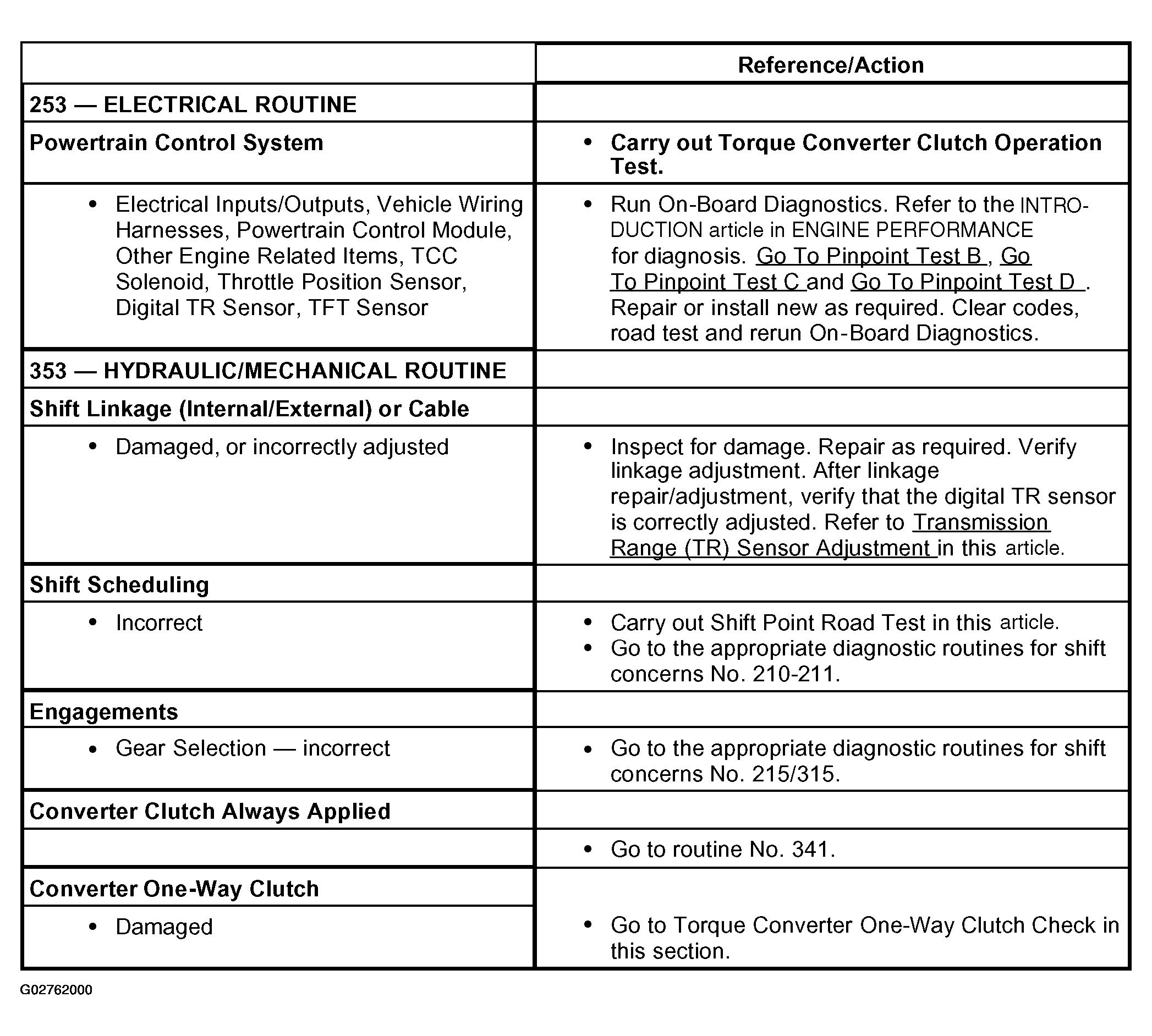 Courtesy of FORD MOTOR CO.
OTHER CONCERNS: NOISE/VIBRATION - FORWARD OR REVERSE
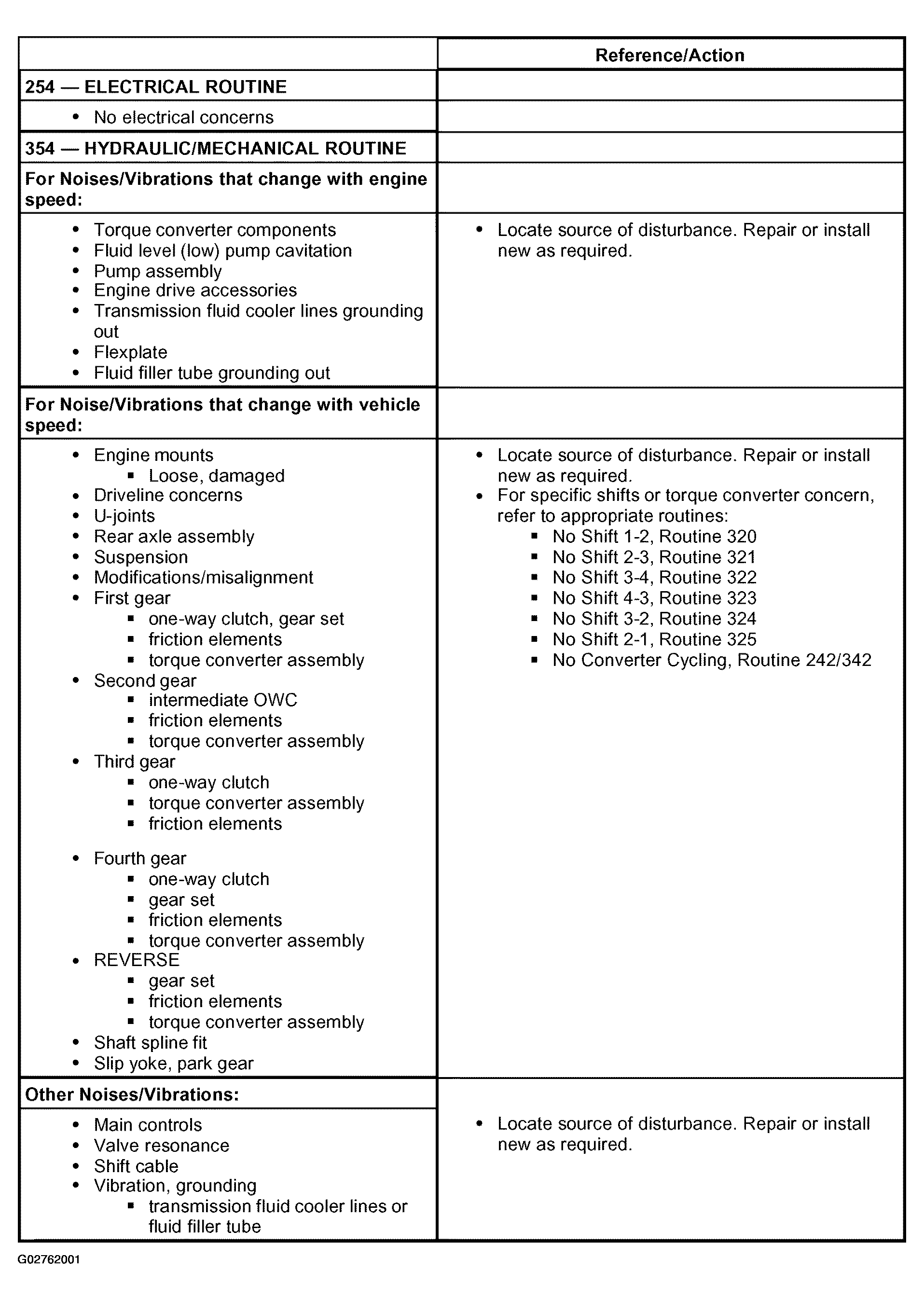 Courtesy of FORD MOTOR CO.
OTHER CONCERNS: ENGINE WILL NOT CRANK
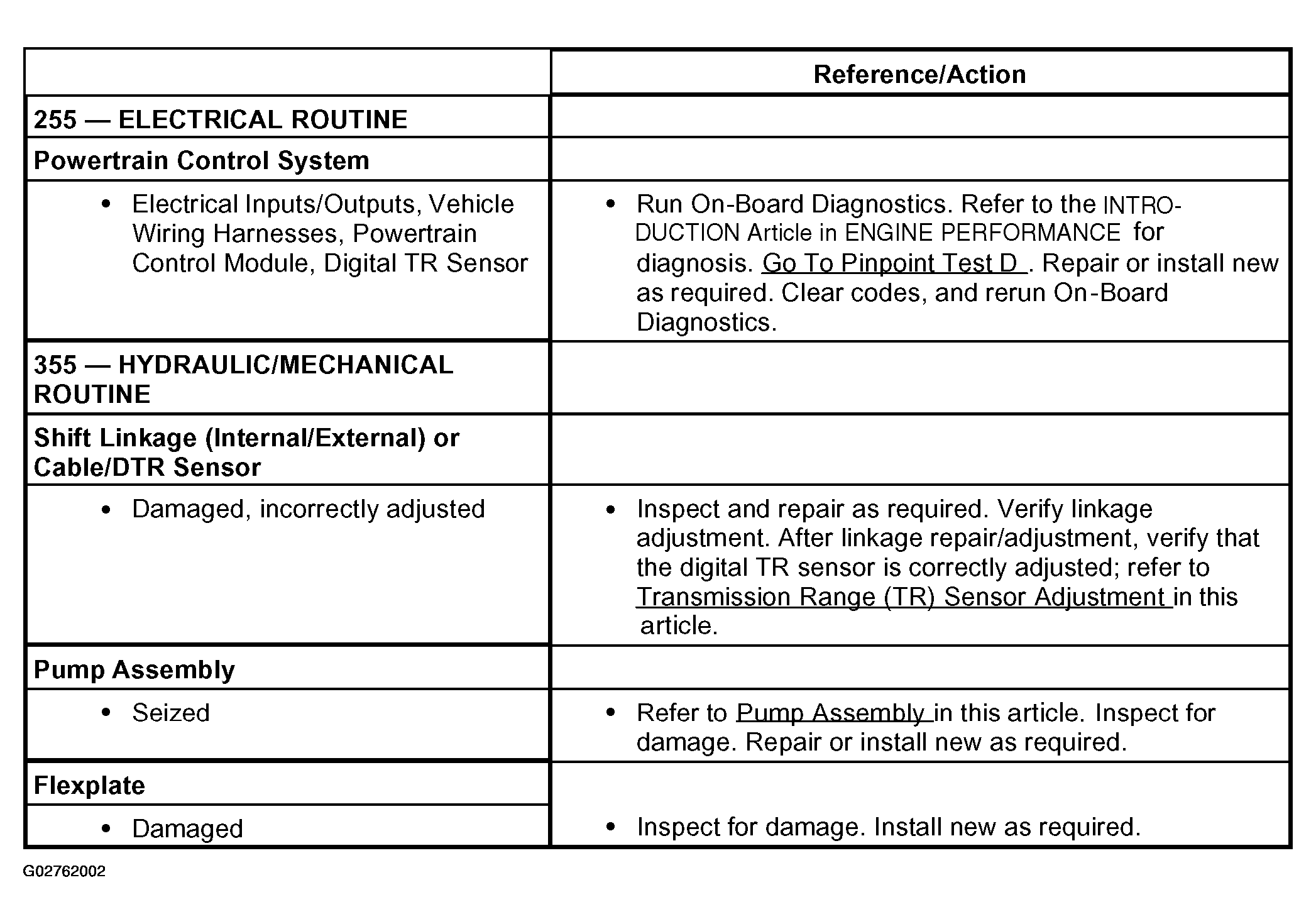 Courtesy of FORD MOTOR CO.
OTHER CONCERNS: NO PARK RANGE
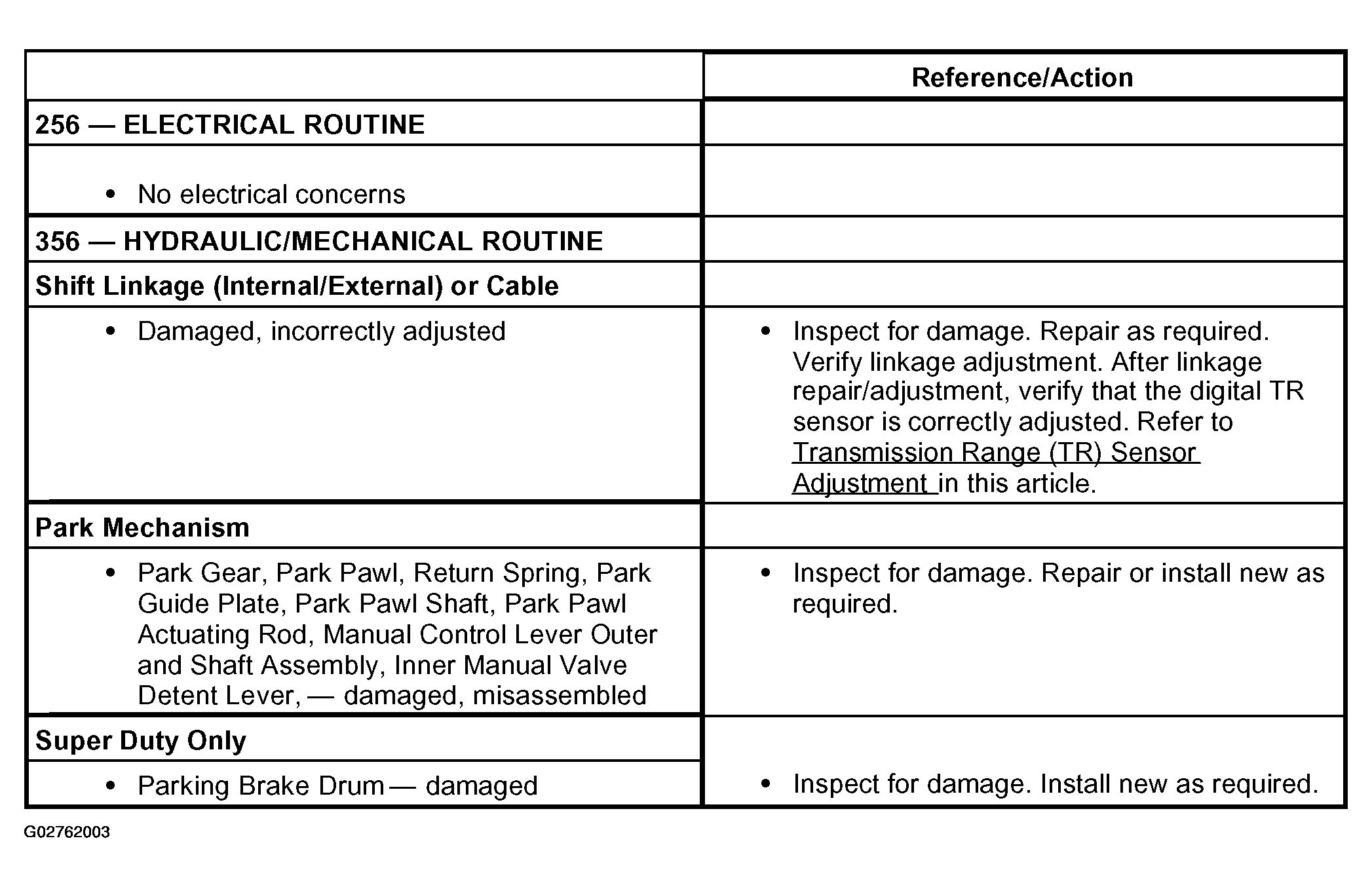 Courtesy of FORD MOTOR CO.
OTHER CONCERNS: TRANSMISSION OVERHEATING
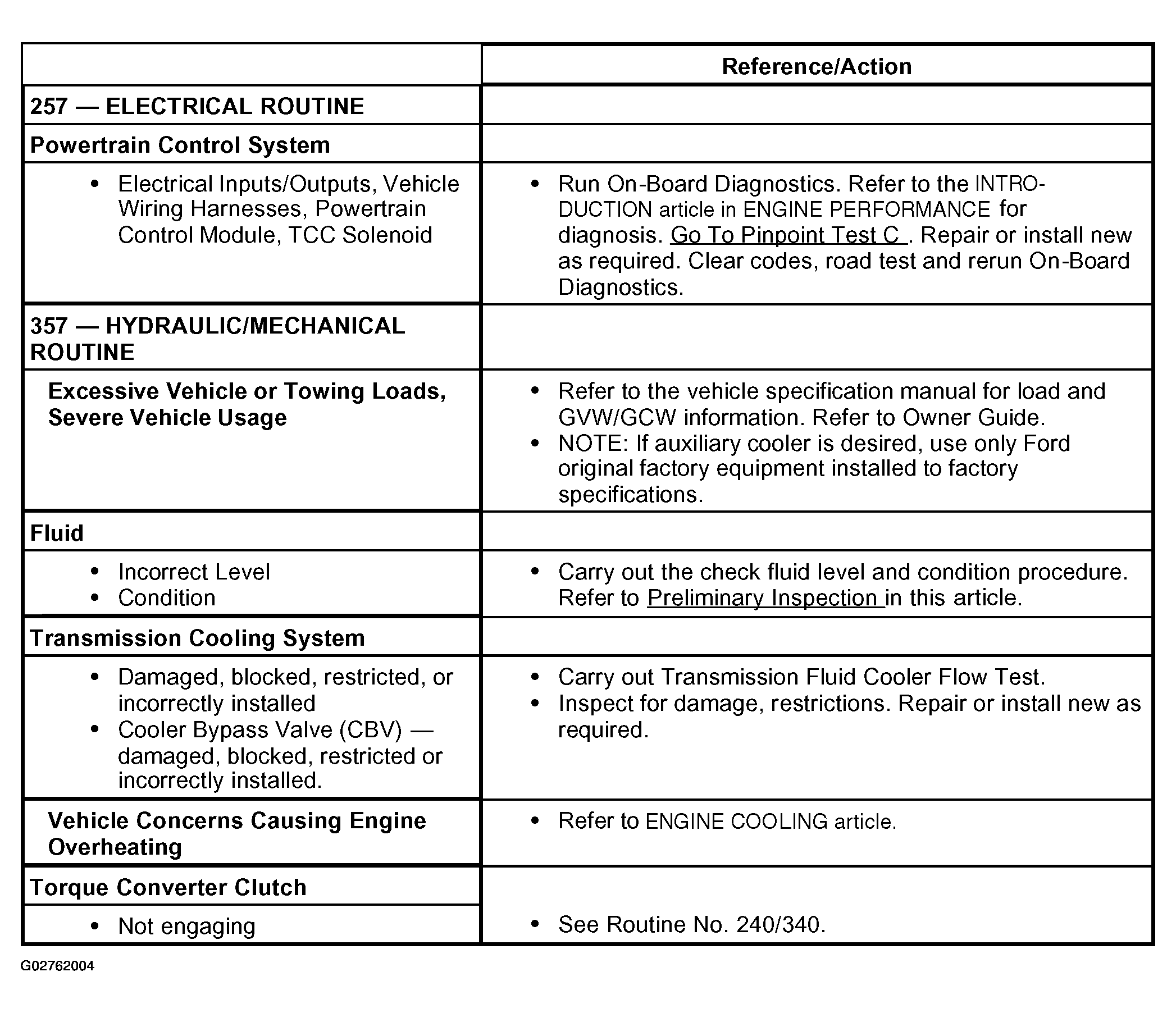 Courtesy of FORD MOTOR CO.
OTHER CONCERNS: NO ENGINE BRAKING IN MANUAL 2 POSITION ONLY
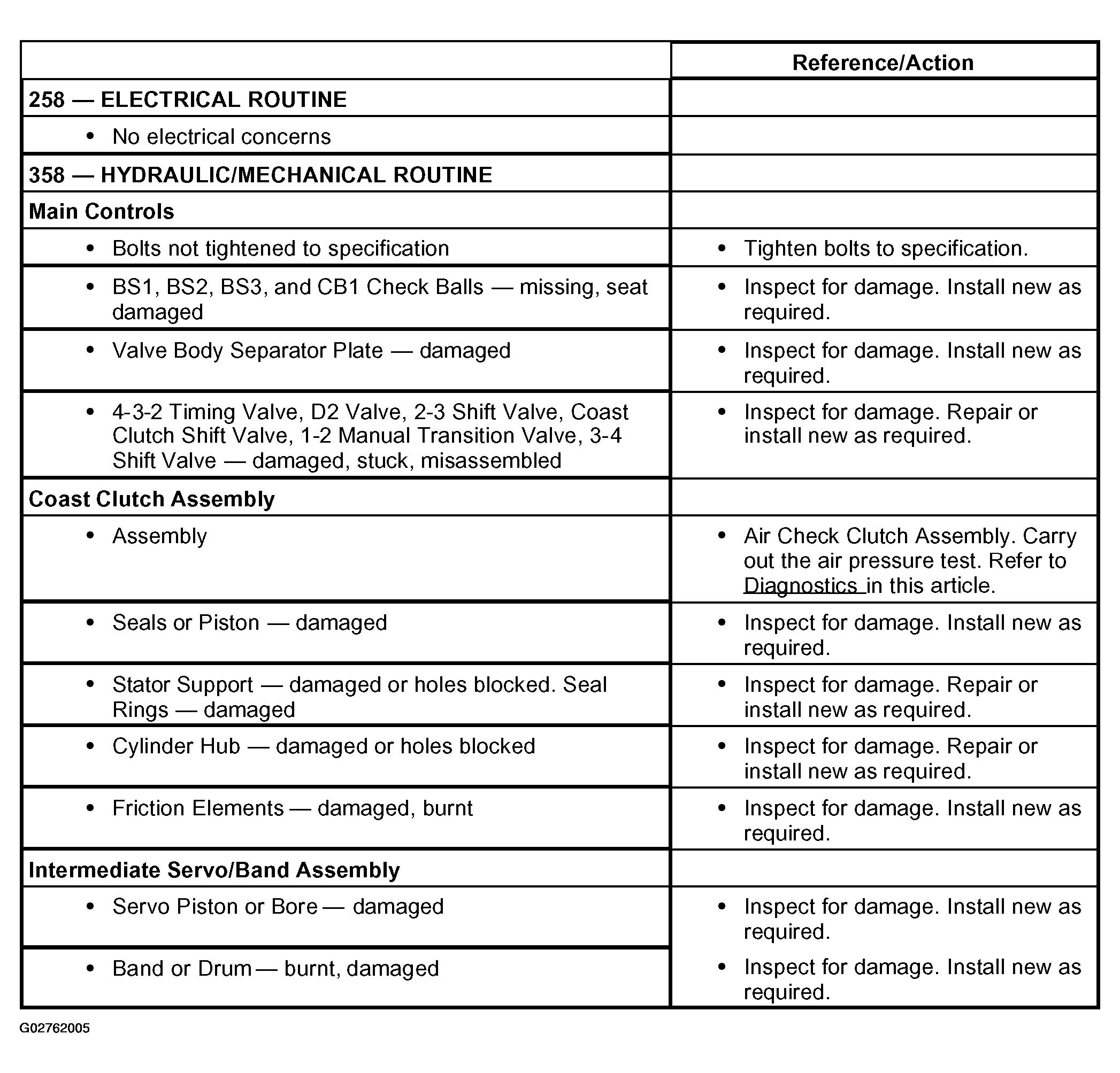 Courtesy of FORD MOTOR CO.
OTHER CONCERNS: NO ENGINE BRAKING IN MANUAL 1 POSITION ONLY
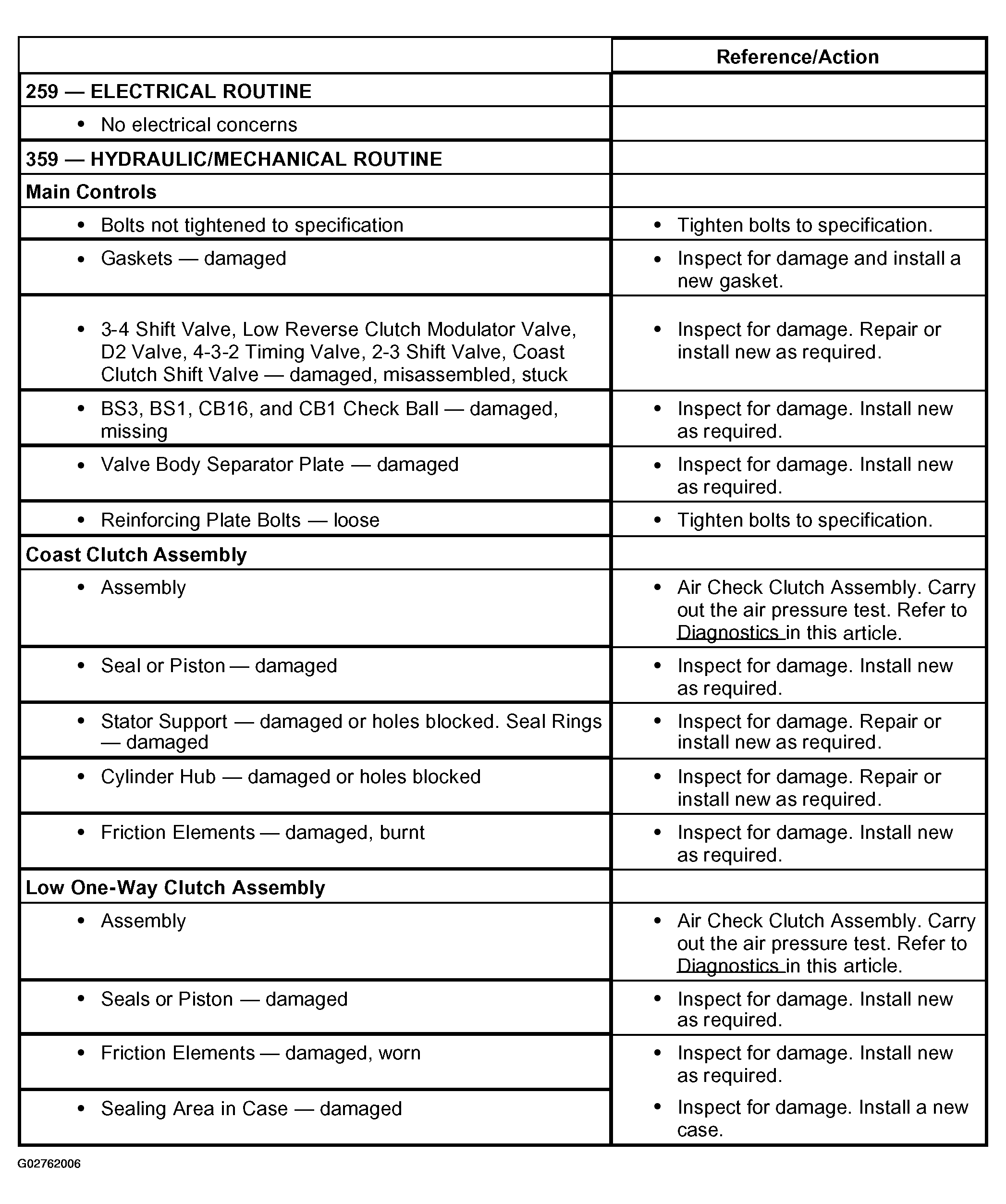 Courtesy of FORD MOTOR CO.
OTHER CONCERNS: NO ENGINE BRAKING WITH OVERDRIVE CANCELLED (MANUAL 1ST AND MANUAL 2ND HAVE ENGINE BRAKING)
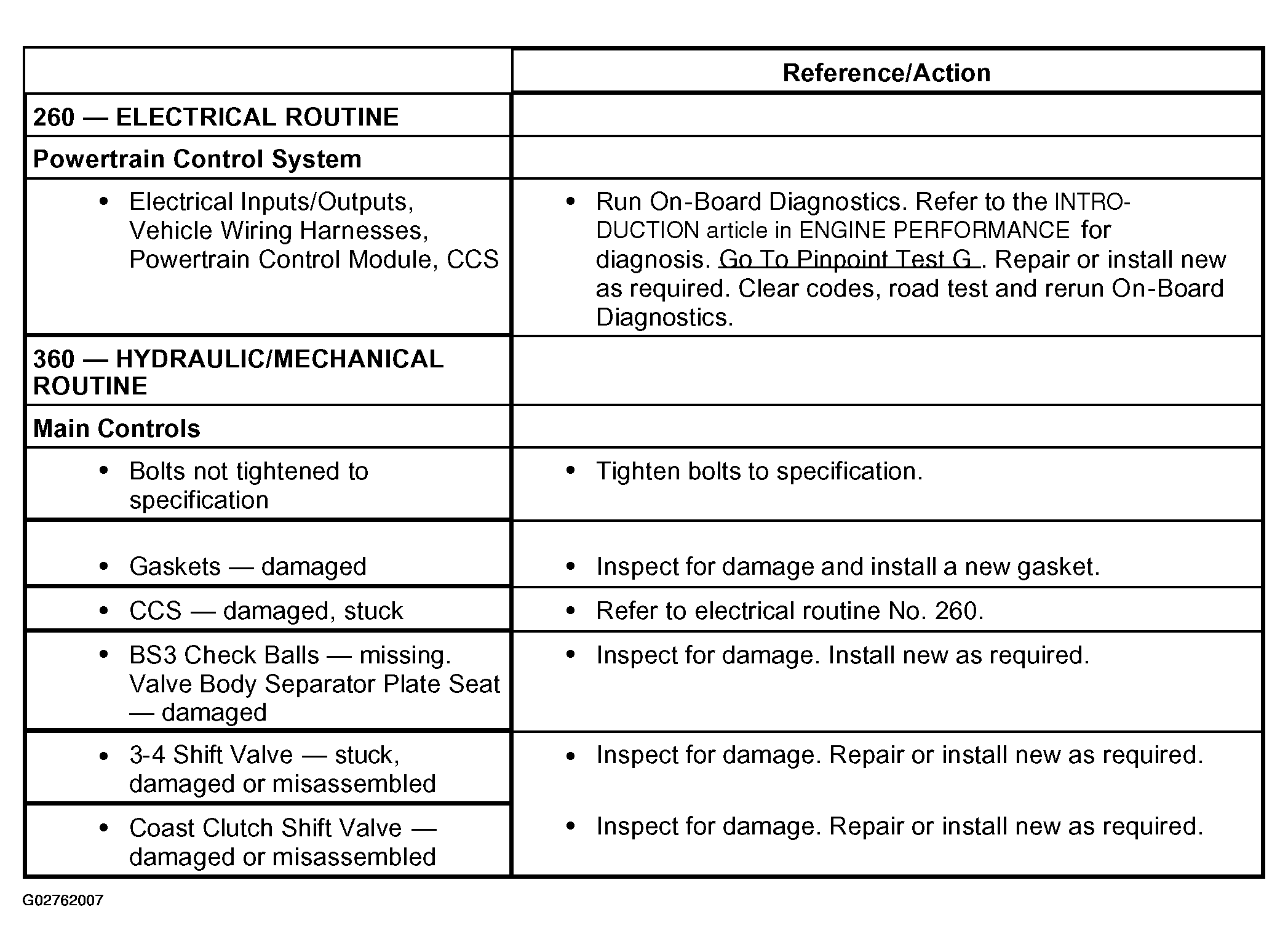 Courtesy of FORD MOTOR CO.
NO ENGINE BRAKING IN MANUAL 1, 2 AND 3
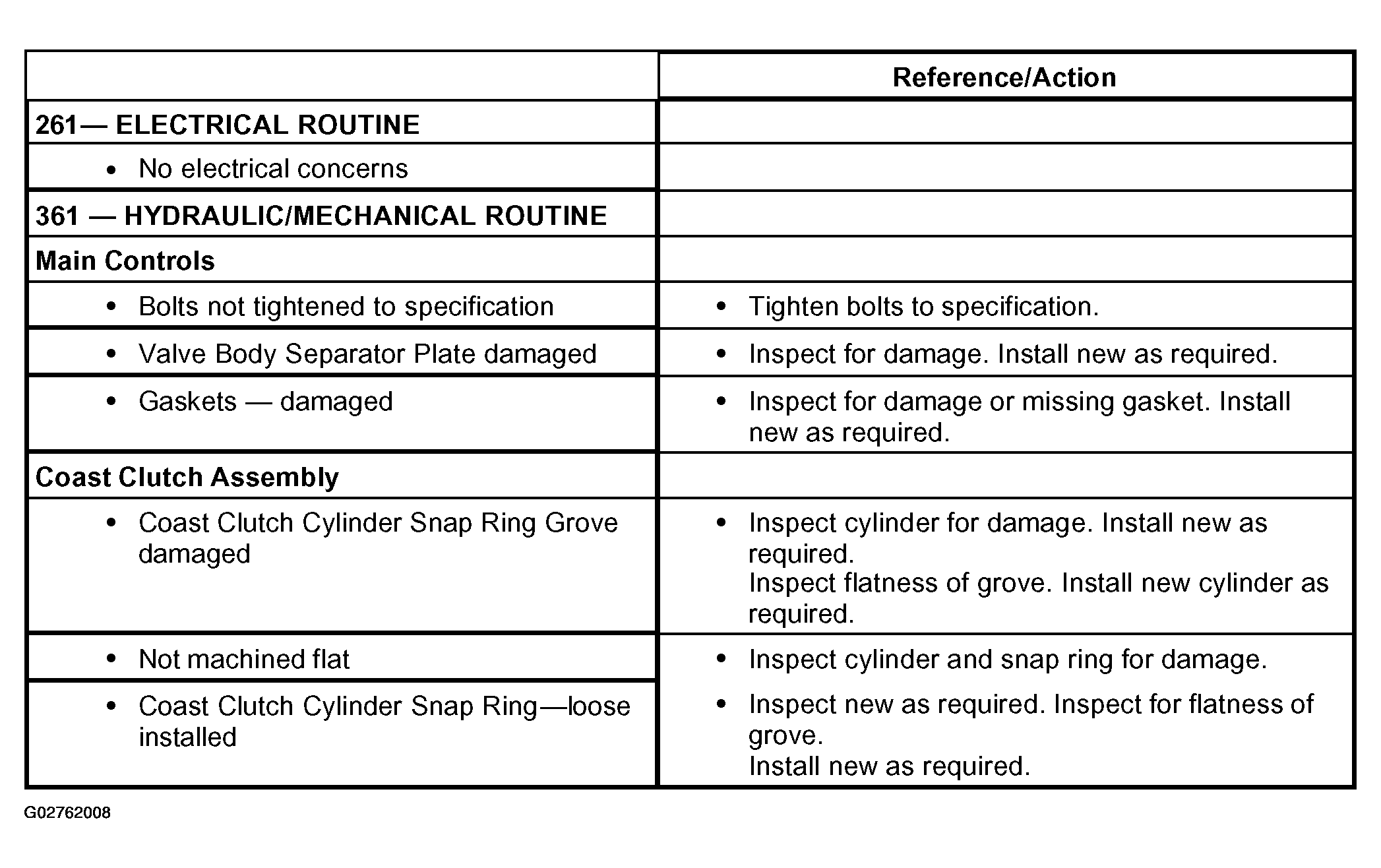 Courtesy of FORD MOTOR CO.
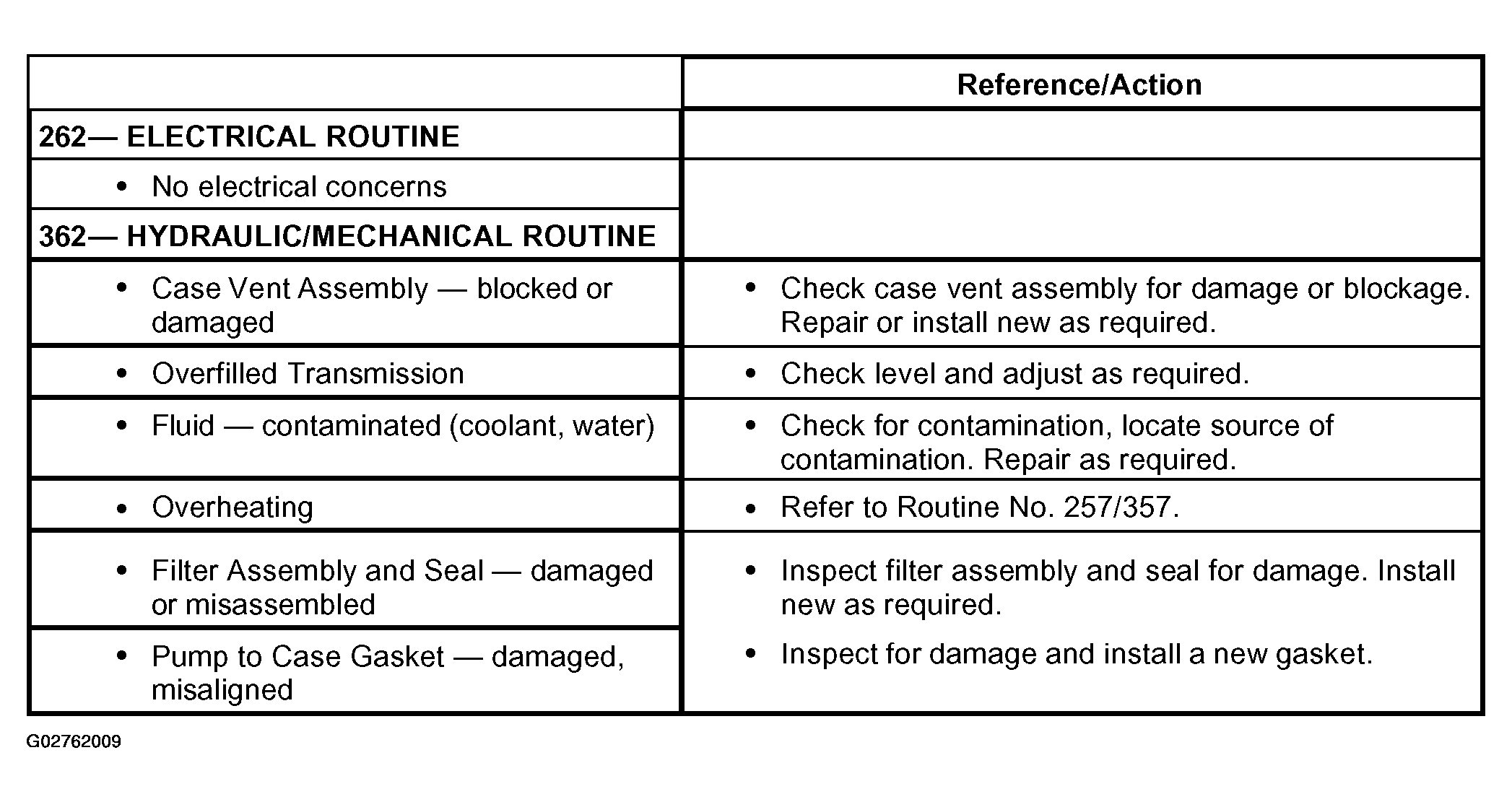
OTHER CONCERNS: FLUID VENTING/FOAMING
 Courtesy of FORD MOTOR CO.